
Call: 08071779477
 Send Inquiry
 Send Inquiry
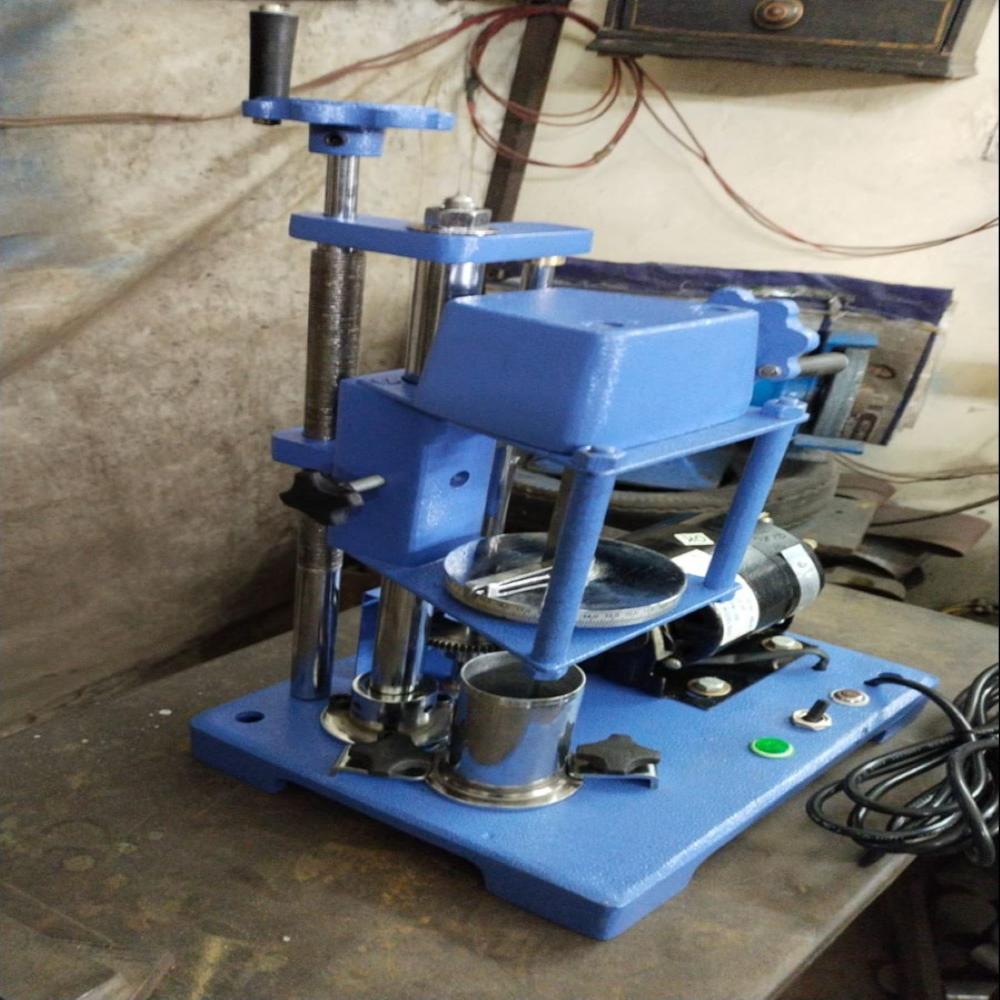
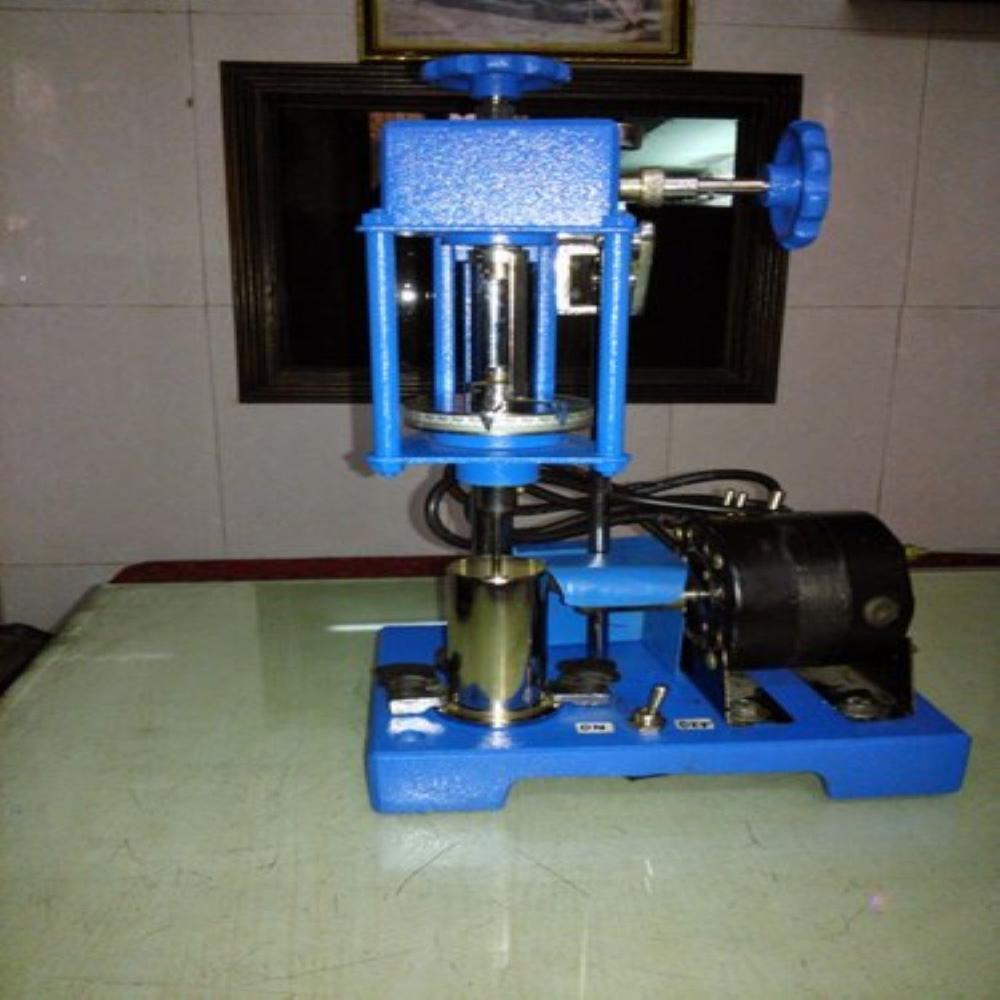
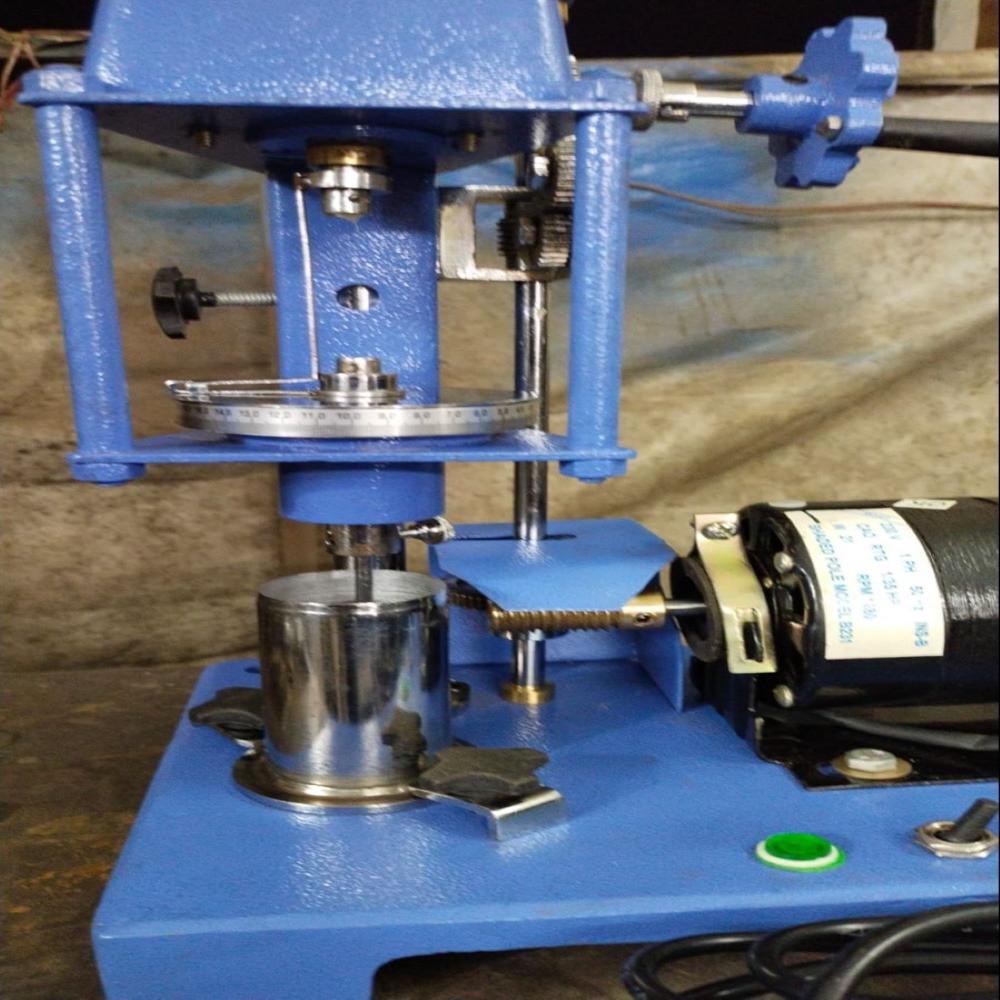
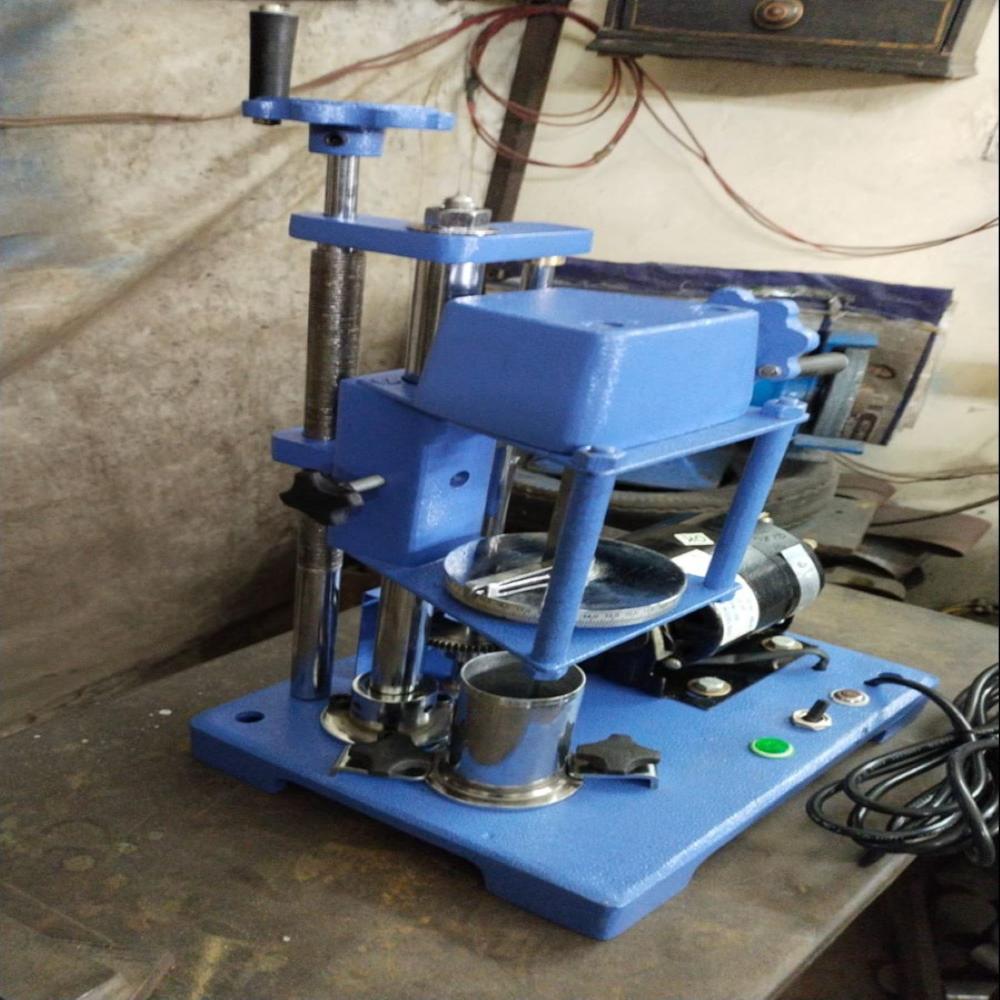
Vane Shear Test
Price 25000.0 INR/ Piece
MOQ : 1 Piece
Vane Shear Test Specification
- Product Type
- Portable
- Usage
- Laboratory
- Display Type
- Manual
- Material
- Metal
- Power Supply
- Electric
- Dimension (L*W*H)
- 1 x 3 Foot (ft)
- Number of Specimens
- 1
- Accuracy
- 1% °C
- Color
- Blue
- Mounting Type
- No
- Interface Type
- No
- Machine Weight
- 20 Kilograms (kg)
- Control Mode
- Manual
Vane Shear Test Trade Information
- Minimum Order Quantity
- 1 Piece
- FOB Port
- Chennai
- Payment Terms
- Cash Advance (CA), Cash in Advance (CID)
- Supply Ability
- 10 Pieces Per Week
- Delivery Time
- 1 Week
- Main Domestic Market
- Nagaland, Rajasthan, Sikkim, Tamil Nadu, Telangana, Tripura, Pondicherry, Karnataka, Kerala, Lakshadweep, Mizoram, Meghalaya, Manipur, Andhra Pradesh, Bihar, Assam, Delhi, Dadra and Nagar Haveli, Arunachal Pradesh, Chhattisgarh, Jammu and Kashmir, Madhya Pradesh, Maharashtra, North India, East India, Gujarat, Goa, Jharkhand, Odisha, Punjab, Uttar Pradesh, Uttarakhand, West Bengal, All India, South India, Central India, West India, Chandigarh, Daman and Diu, Andaman and Nicobar Islands, Haryana, Himachal Pradesh
About Vane Shear Test
Vane Shear
Soft and sensitive soils whose shear strength is less than 15 KN/m2, the results are dependent on operator's skill. Even pushing the sample tubes in soil may cause some disturbance. Experience shows that carefully controlled compression test results can be related to figures obtained by pushing a small vane in the soil and rotating it at a controlled rate and measuring the force, required for maximum resistance. Vane Shear Test can be conducted in a laboratory or in the field.
Vane Shear Apparatus manufacturer in Chennai, Vane Shear Apparatus Dealer in Chennai, Vane Shear Apparatus in Chennai, Vane Shear Retailer in Chennai
Precision and Reliability in Soil Testing
Engineered with high-grade metal and featuring a blue finish, the Vane Shear Test apparatus offers reliable and precise measurements. Its manual control and display type ensure straightforward operation, while the 1% accuracy makes it ideal for critical laboratory applications.
Compact Design for Laboratory Use
With dimensions of 1 x 3 feet, this apparatus is designed to occupy minimal lab space without compromising on functionality. The manageable weight of 20 kg facilitates easy mobility and setup within any soil testing laboratory setting.
Versatility Across Industry Roles
Whether you are a manufacturer, dealer, exporter, or service provider in India, this Vane Shear Test machine is suited to a broad spectrum of users. Its robust construction and precise results support a wide range of soil analysis requirements.
FAQ's of Vane Shear Test:
Q: How is the Vane Shear Test apparatus used in laboratory soil analysis?
A: The machine is primarily used to determine the shear strength of soil samples in laboratory settings. By inserting the vane into the soil specimen and manually operating the device, it measures the resistance offered by the soil, helping to assess its stability and properties.Q: What are the benefits of using this Vane Shear Test machine?
A: This apparatus offers high measurement accuracy (1%), durable construction, and ease of use in laboratories. These features contribute to dependable soil shear tests, supporting precise geotechnical analysis for engineering projects.Q: When should the Vane Shear Test be utilized during soil testing?
A: This test is typically conducted when accurate, quick measurement of soil shear strength is required, especially for soft or sensitive soils collected from the field, or during routine lab analysis for construction and engineering assessments.Q: Where is the Vane Shear Test apparatus ideally deployed?
A: It is best suited for soil testing laboratories in research institutes, universities, construction companies, and engineering consultancies where precise and repeatable soil strength measurements are necessary.Q: What is the process for measuring soil strength with this machine?
A: A single soil specimen is secured in the apparatus; the vane is inserted and rotated manually until the soil yields. The resistance recorded on the manual display is then used to calculate the soil's shear strength.Q: How does the manual control mode benefit laboratory operations?
A: Manual control allows operators to conduct the test with direct oversight, ensuring accurate data collection and the ability to adjust procedures as needed according to sample variability.Q: What industry roles in India can benefit from this equipment?
A: Dealers, exporters, fabricators, manufacturers, suppliers, retailers, and service providers involved in soil testing, construction, and geotechnical investigations will find the device highly beneficial for their operational needs.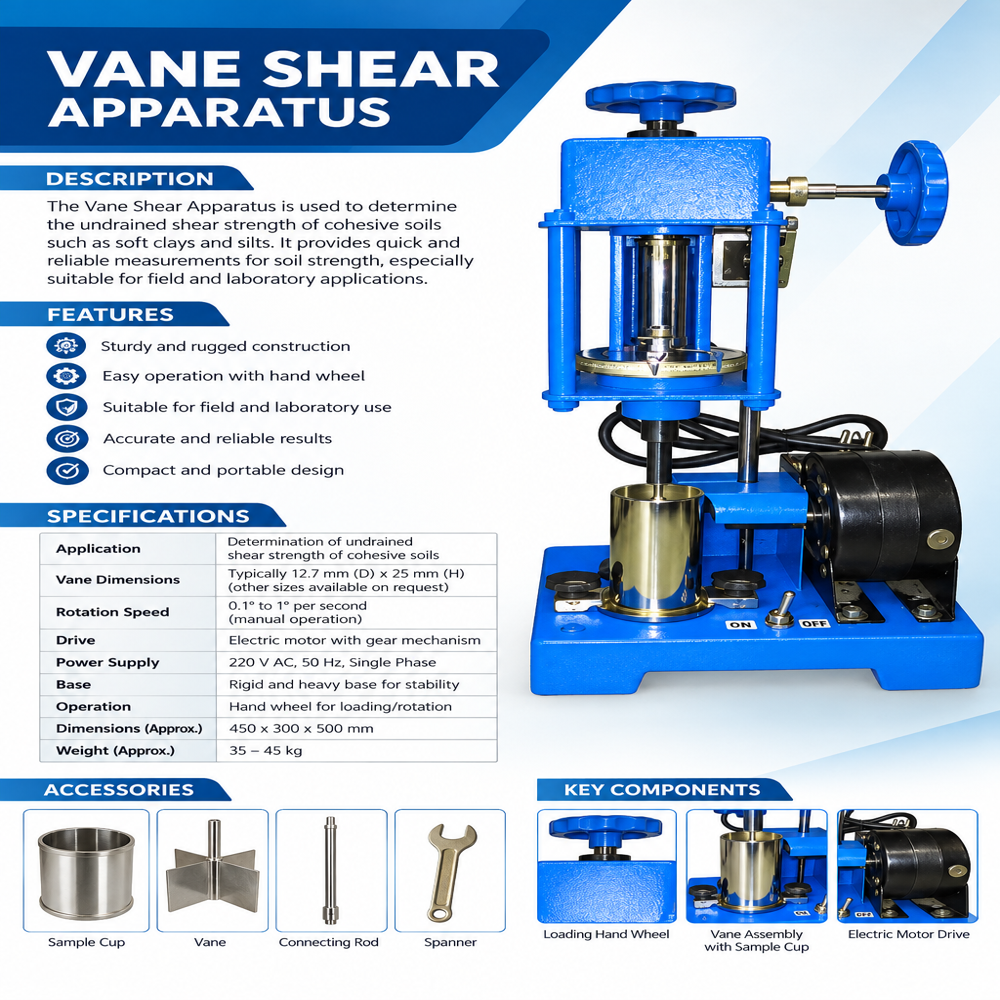
Tell us about your requirement

Price:
Quantity
Select Unit
- 50
- 100
- 200
- 250
- 500
- 1000+
Additional detail
Mobile number
Email

More Products in Soil Laboratory Instruments Category
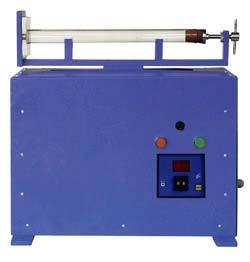
Sand Equivalent Shaker
Price 25000.0 INR / Piece
Minimum Order Quantity : 1 Piece
Machine Weight : 10 Kilograms (kg)
Color : Blue
Application : Soil Test
Usage : Laboratory
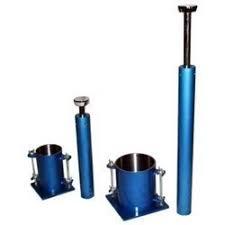
Standard Procotor Compaction Test
Price 3000.0 INR / Piece
Minimum Order Quantity : 1 Piece
Machine Weight : 10 Kilograms (kg)
Color : blue
Application : Soil Test
Usage : Laboratory
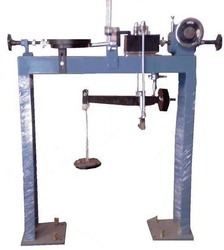
Direct Shear Apparatus
Price 65000.0 INR / Piece
Minimum Order Quantity : 1 Piece
Machine Weight : 100 Kilograms (kg)
Color : Blue
Application : Industrial
Usage : Laboratory
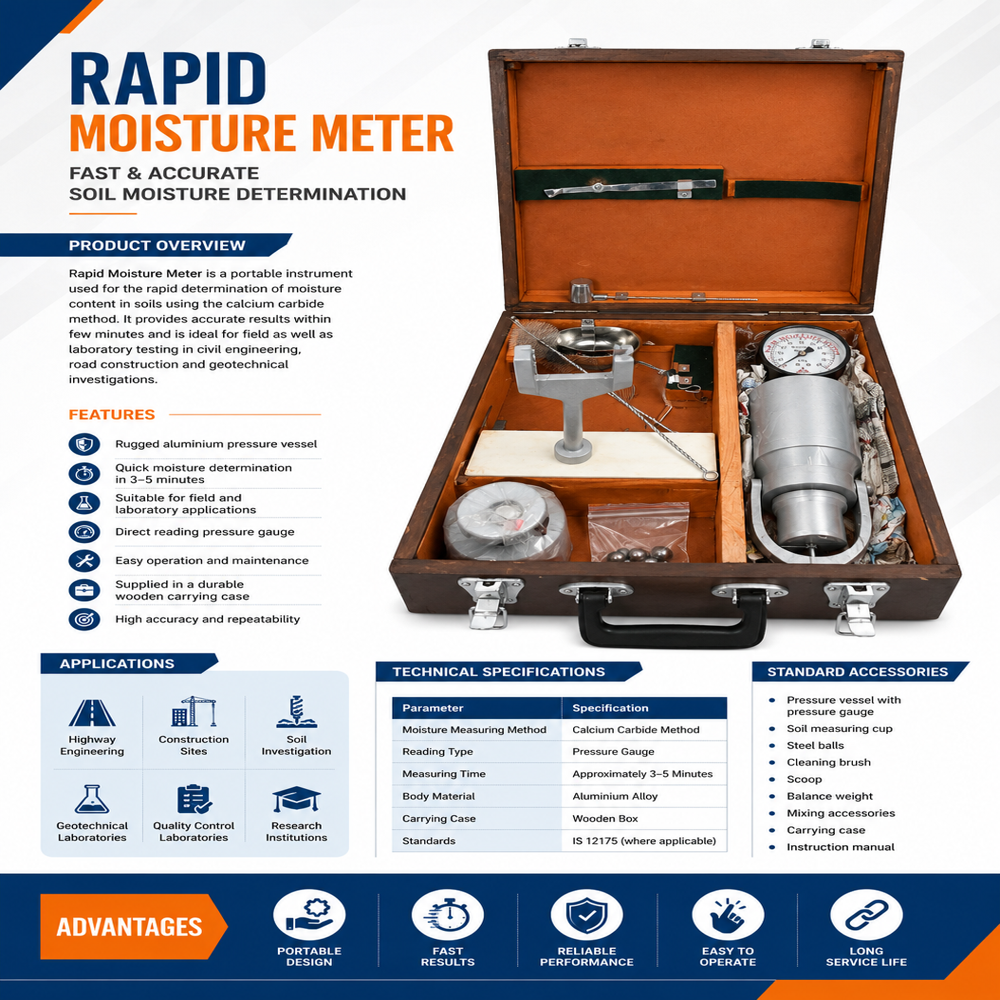
Speedy Rapid Moisture Meter
Price 4000.0 INR / Piece
Minimum Order Quantity : 1 Piece
Machine Weight : 2 Kilograms (kg)
Color : Silver
Application : Soil Test
Usage : Moisture Test

Contact Details
GST : 33AYHPP7230N1Z2
- New No:243/2, Old No:203/2, Periyar Paathai, Chennai - 600094, Tamil Nadu, India
- Phone :08071779477

 Send Inquiry
Developed and Managed by Infocom Network Private Limited.
