
Call: 08071779477
 Send Inquiry
 Send Inquiry
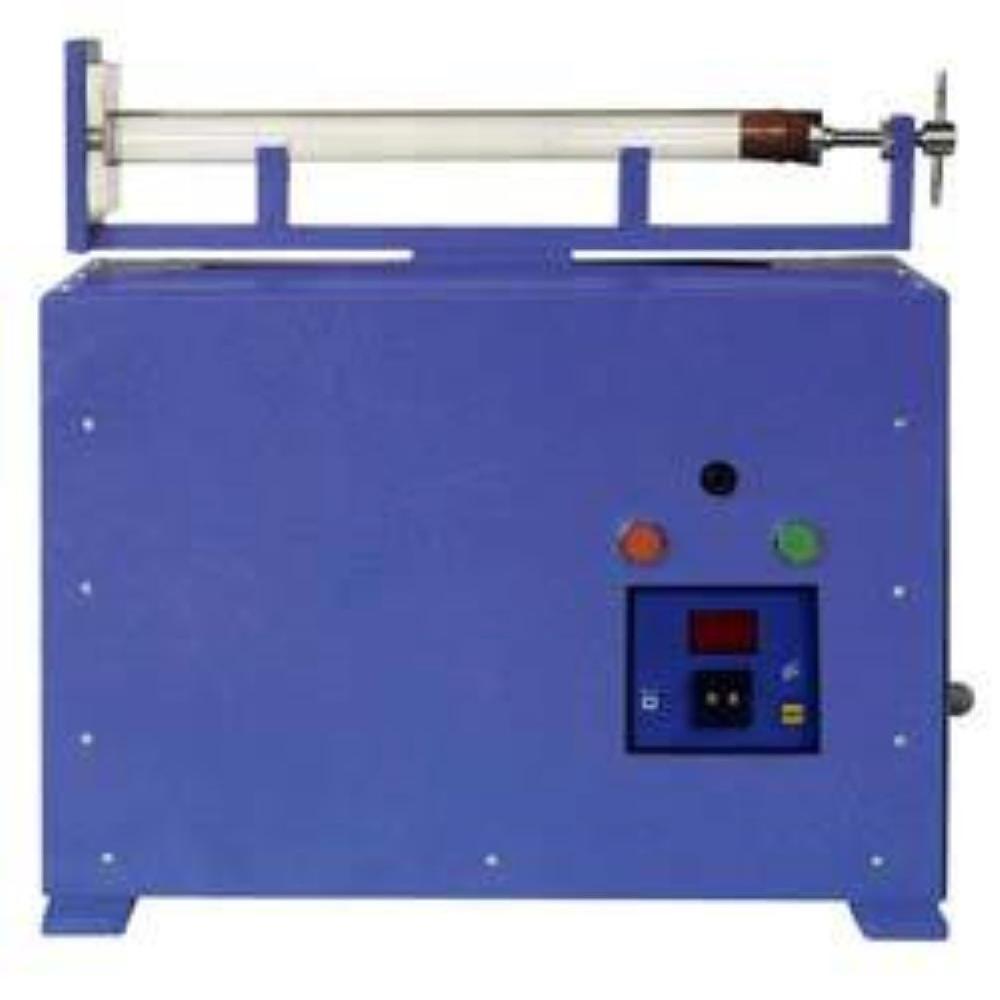
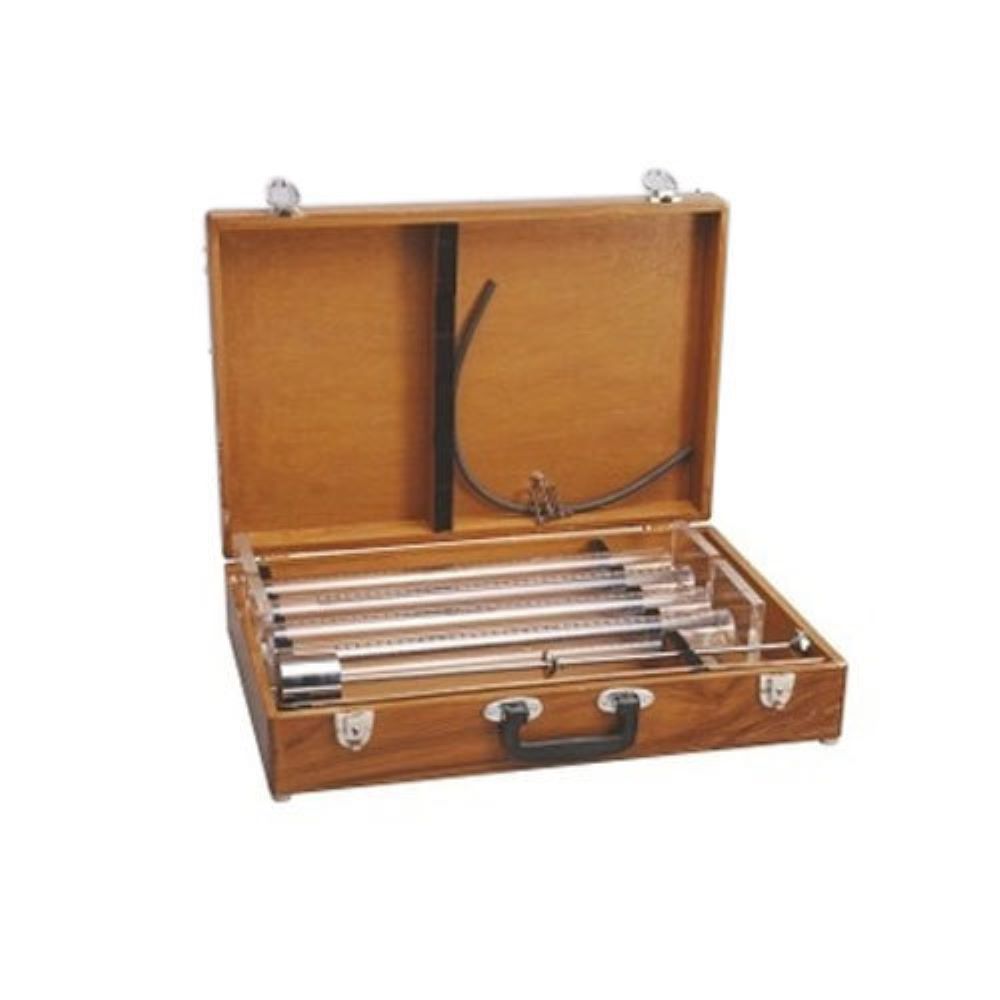
Sand Equivalent Shaker
Price 25000.0 INR/ Piece
MOQ : 1 Piece
Sand Equivalent Shaker Specification
- Product Type
- Portable
- Number of Specimens
- 1
- Temperature
- -20 to 55 Celsius (oC)
- Features
- Long working life
- Color
- Blue
- Power Supply
- Electric
- Display Type
- Manual
- Voltage
- 230 Volt (v)
- Usage
- Laboratory
- Application
- Soil Test
- Material
- Mild Steel
- Frequency
- 50/60 Hertz (HZ)
- Automation Grade
- Automatic
- Mounting Type
- Floor Mounting
- Machine Weight
- 10 Kilograms (kg)
- Control Mode
- Manual
Sand Equivalent Shaker Trade Information
- Minimum Order Quantity
- 1 Piece
- FOB Port
- Chennai
- Supply Ability
- 10 Pieces Per Week
- Delivery Time
- 1 Week
- Main Domestic Market
- Andhra Pradesh, Andaman and Nicobar Islands, Arunachal Pradesh, Chhattisgarh, Haryana, Himachal Pradesh, Jammu and Kashmir, Madhya Pradesh, Maharashtra, Nagaland, All India, South India, Central India, West India, Gujarat, Bihar, Chandigarh, Daman and Diu, Goa, Jharkhand, Odisha, Punjab, Assam, Dadra and Nagar Haveli, North India, East India, Kerala, Lakshadweep, Delhi, Rajasthan, Pondicherry, Karnataka, Mizoram, Meghalaya, Manipur, Sikkim, Tamil Nadu, Telangana, Tripura, Uttar Pradesh, Uttarakhand, West Bengal
Sand Equivalent Shaker About
Sand Equivalent Shaker
The unit provides a constant uniform shaking with automatic cycle test. Oscillating excursion is 200 mm at 175 strokes / minute rate. Complete with timer that automatically stops the shaker at the end of the test. Power Supply 230 V A.C. 50Hz.
Efficient Soil Testing Solution
Designed for precision, this Sand Equivalent Shaker simplifies soil analysis in laboratories. Its automatic yet manually controlled mechanism is time-efficient and easy to handle. By accommodating one specimen at a time, it ensures accurate and repeatable results, making it indispensable for soil testing applications.
Robust Construction & Durability
Crafted from high-quality mild steel, the shaker boasts a long working life and is engineered to withstand demanding laboratory conditions. The electric operation ensures consistent performance, while its blue finish adds a professional look to your workspace. Floor mounting provides added stability during high-speed operations.
FAQ's of Sand Equivalent Shaker:
Q: How does the Sand Equivalent Shaker enhance soil testing accuracy?
A: The shaker automates the agitation process, ensuring consistent, repeatable motions for each test cycle. This uniformity in operation enhances the accuracy and reliability of soil particle separation and analysis.Q: What materials and conditions is the shaker designed to handle?
A: Constructed from mild steel, the shaker is suitable for laboratory environments and operates effectively in ambient temperatures from -20 to 55C. Its robust build can handle frequent use over long periods.Q: When should I use this Sand Equivalent Shaker in my laboratory workflow?
A: Use the shaker during soil testing processes that require sand equivalent measurements, typically after preparing soil samples. Its inclusion ensures compliant, standardized test results required in quality control and research.Q: Where can this shaker be installed within the laboratory?
A: Due to its 10 kg weight and floor-mount design, the shaker is best installed on solid, level flooring in the main soil analysis area, ensuring both stability and easy access during testing routines.Q: What is the process for operating the Sand Equivalent Shaker?
A: Simply place one soil specimen in the container, connect to a 230 V power supply, and set the required control mode. Manual adjustments and displays allow precise monitoring throughout the test procedure.Q: What are the primary benefits of using this laboratory shaker?
A: Key benefits include long working life, dependable test reproducibility, ease of operation, and suitability for a wide temperature range. The compact, automatic system streamlines workflows and reduces operator fatigue.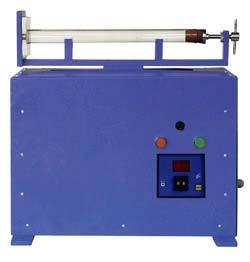
Tell us about your requirement

Price:
Quantity
Select Unit
- 50
- 100
- 200
- 250
- 500
- 1000+
Additional detail
Mobile number
Email

More Products in Soil Laboratory Instruments Category
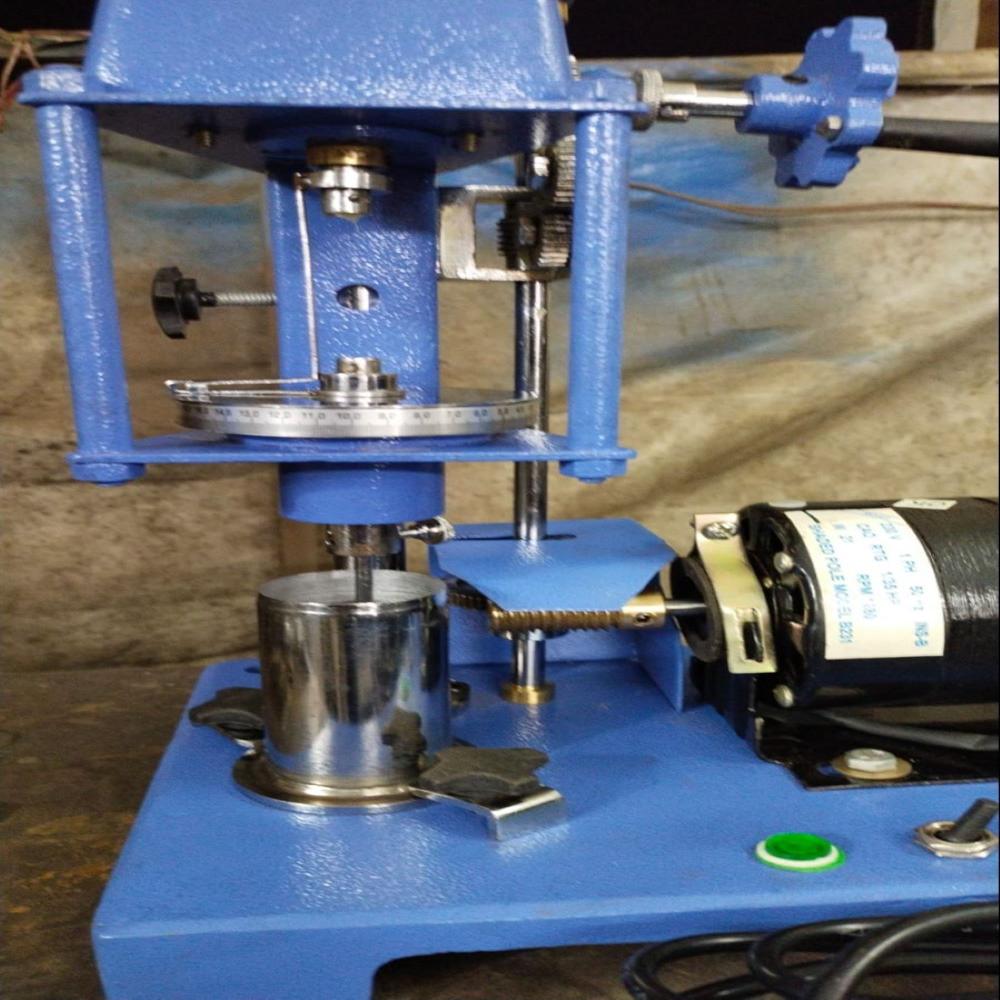
Vane Shear Test
Price 25000.0 INR / Piece
Minimum Order Quantity : 1 Piece
Product Type : Portable
Color : Blue
Machine Weight : 20 Kilograms (kg)
Usage : Laboratory
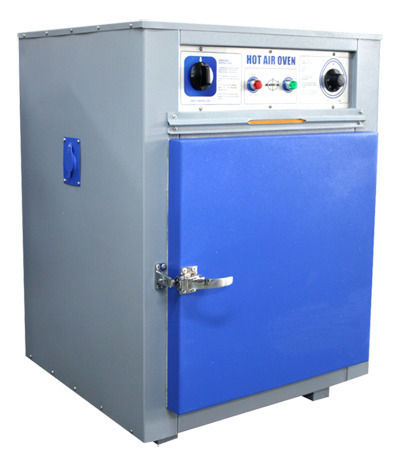
Digital Hot Air Oven
Price 15000.0 INR / Piece
Minimum Order Quantity : 1 Piece
Product Type : Portable
Color : Blue
Machine Weight : 10 Kilograms (kg)
Usage : Laboratory / Industry
Density Hydrometer
Price 900.0 INR / Piece
Minimum Order Quantity : 1 Piece
Product Type : Hand Held
Color : White
Machine Weight : 1 Kilograms (kg)
Usage : Soil Test
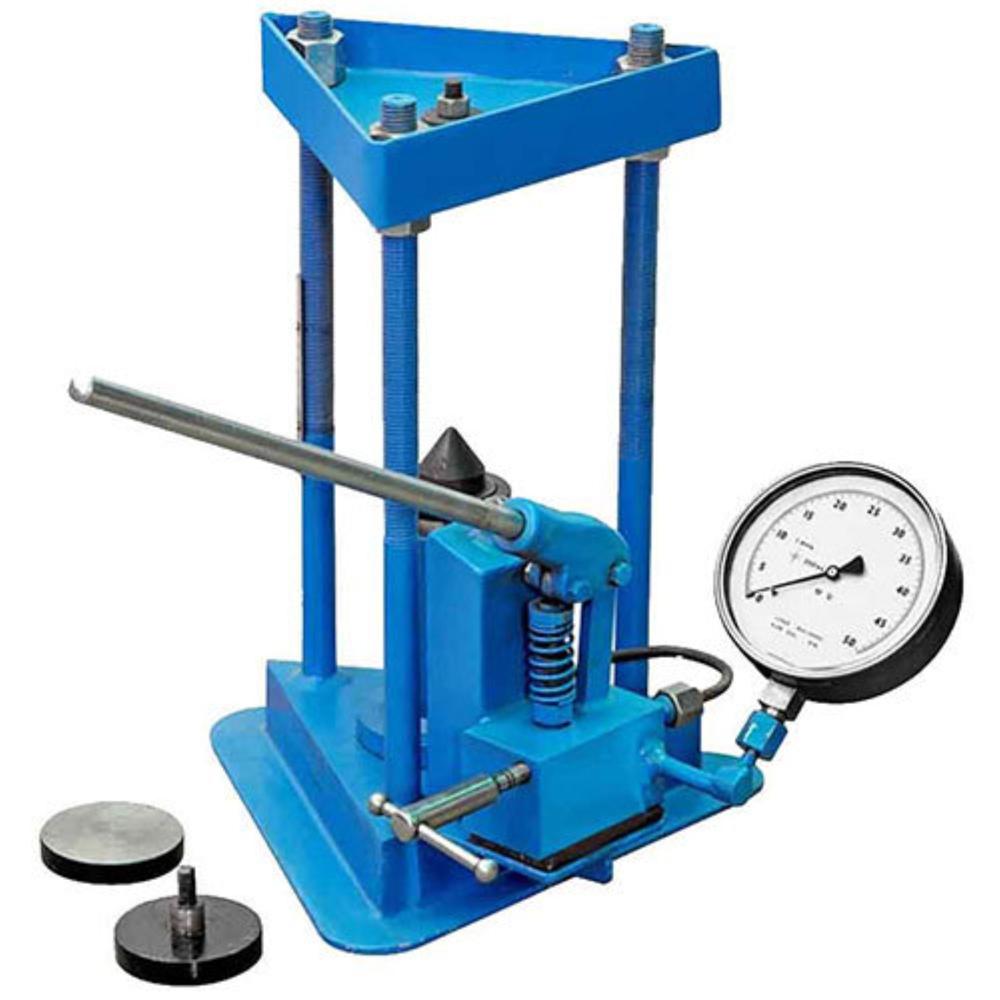
Point Load Index Tester
Price 60000.0 INR / Piece
Minimum Order Quantity : 1 Piece
Product Type : Portable
Color : Blue
Machine Weight : 100 Kilograms (kg)
Usage : Laboratory

Contact Details
GST : 33AYHPP7230N1Z2
- New No:243/2, Old No:203/2, Periyar Paathai, Chennai - 600094, Tamil Nadu, India
- Phone :08071779477

 Send Inquiry
Developed and Managed by Infocom Network Private Limited.
