
Call: 08071779477
 Send Inquiry
 Send Inquiry
Relative Density Apparatus
Price 75000.0 INR/ Piece
MOQ : 1 Piece
Relative Density Apparatus Specification
- Display Type
- Analogue
- Material
- Metal
- Power Supply
- Electric
- Usage
- Laboratory
- Color
- Blue
- Machine Weight
- 50 Kilograms (kg)
- Control Mode
- Motorised
Relative Density Apparatus Trade Information
- Minimum Order Quantity
- 1 Piece
- FOB Port
- Chennai
- Supply Ability
- 10 Pieces Per Week
- Delivery Time
- 1 Week
- Main Export Market(s)
- Asia
- Main Domestic Market
- Lakshadweep, Mizoram, Meghalaya, Manipur, Andhra Pradesh, Bihar, North India, East India, Gujarat, Karnataka, Kerala, Jharkhand, Delhi, Dadra and Nagar Haveli, Andaman and Nicobar Islands, Assam, Arunachal Pradesh, Himachal Pradesh, Jammu and Kashmir, Madhya Pradesh, Maharashtra, Nagaland, Rajasthan, Sikkim, Chhattisgarh, Haryana, All India, South India, Central India, West India, Chandigarh, Daman and Diu, Goa, Odisha, Punjab, Tamil Nadu, Telangana, Tripura, Pondicherry, Uttar Pradesh, Uttarakhand, West Bengal
Relative Density Apparatus About
Relative Density Apparatus
IS : 2720 XIV
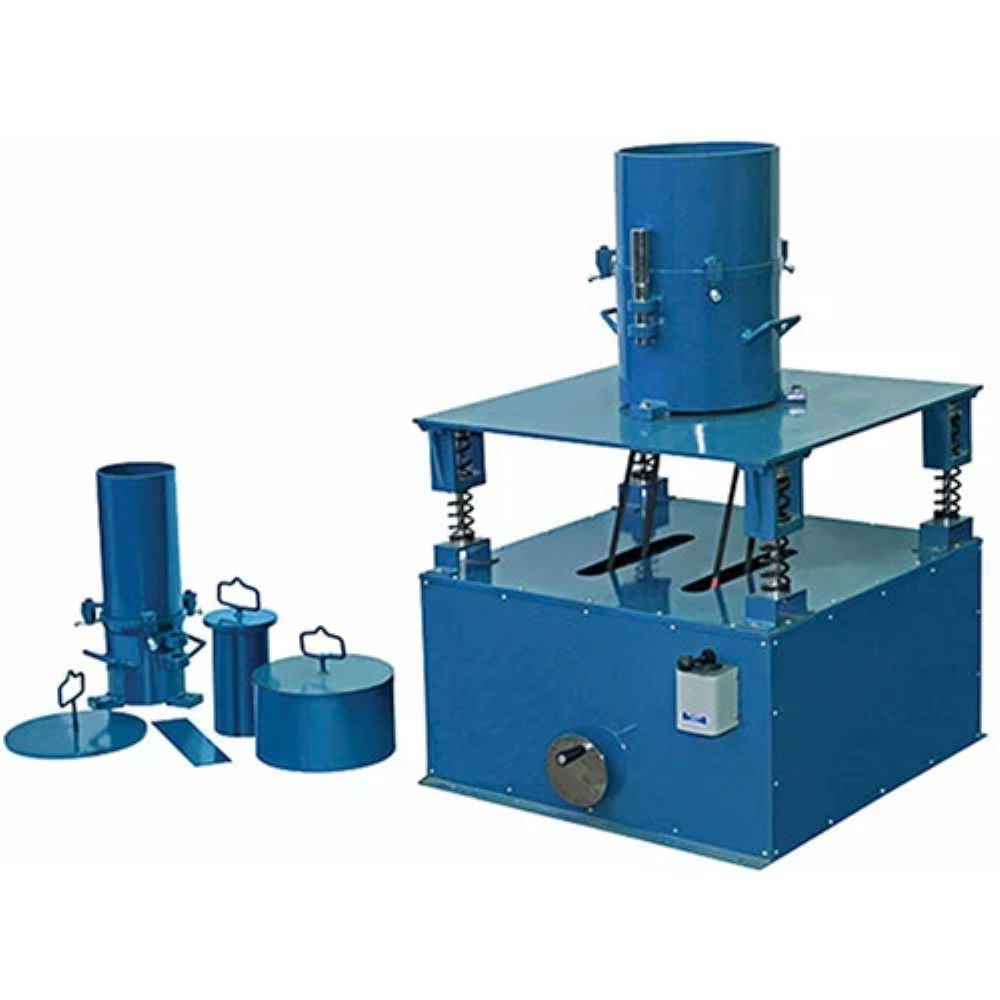
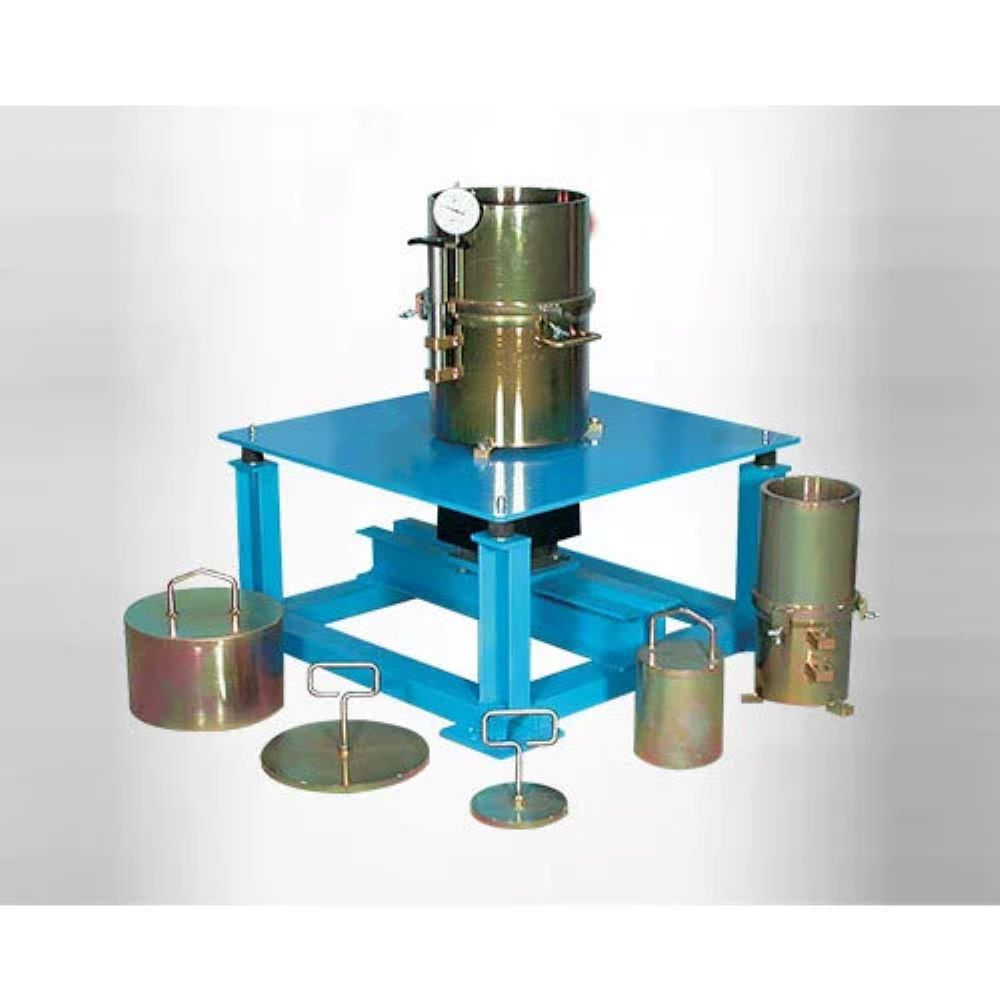
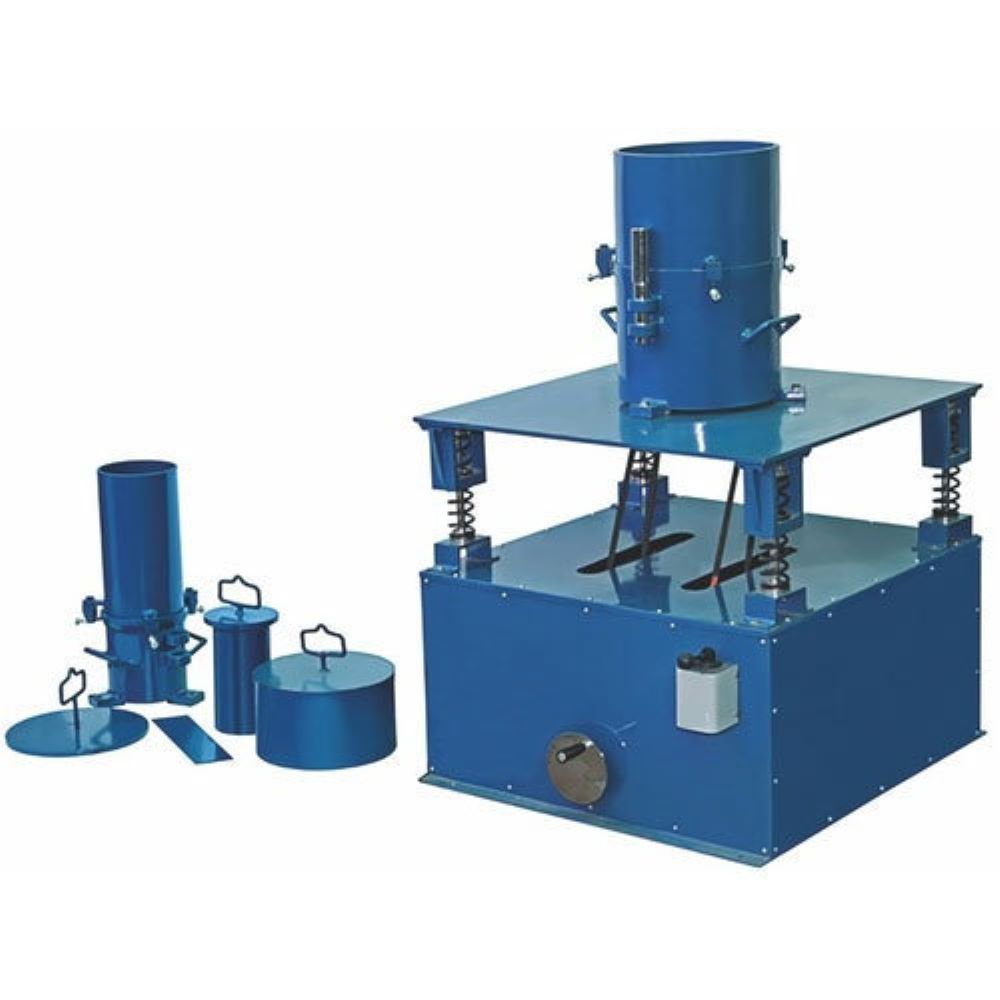
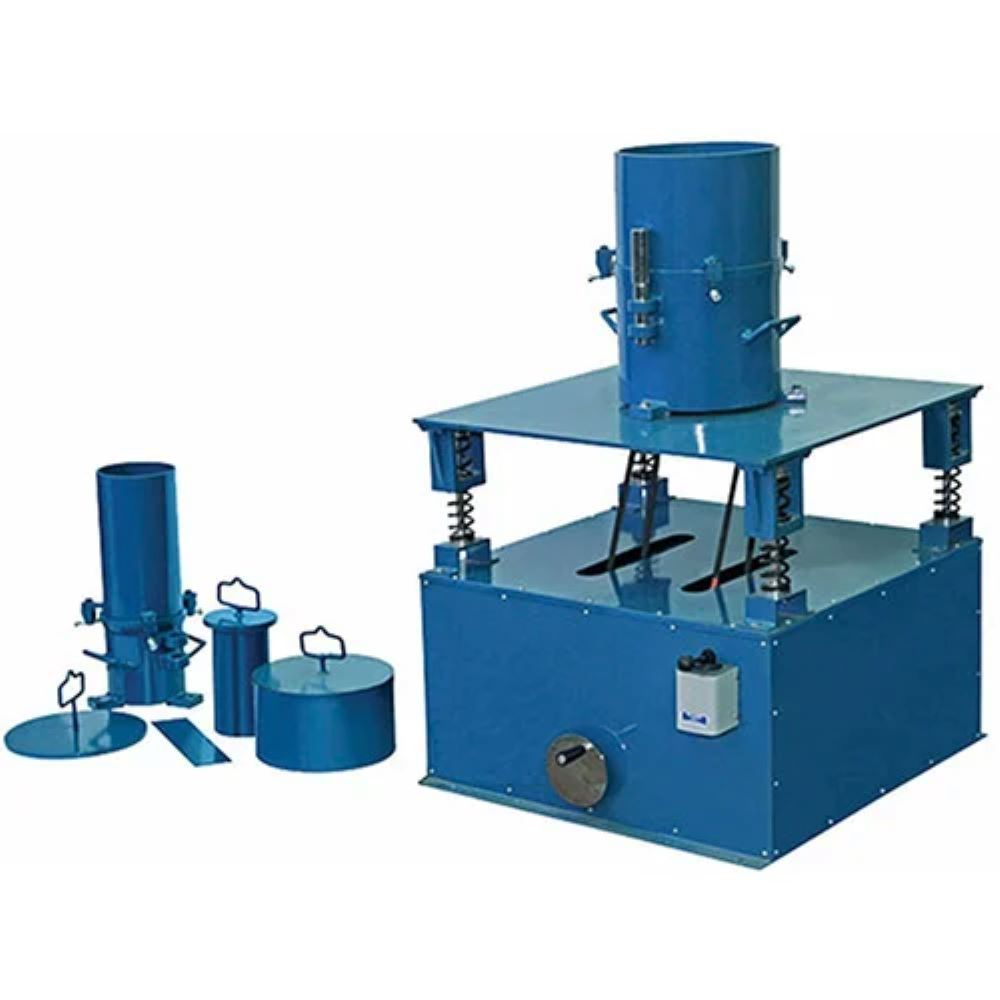
This equipment is used for the determination of the relative density of cohesion less free draining soils.
The equipment comprises a vibratory table 75mm x 75mm motorized 230 Volts, single phase A.C. cylindrical mould 3000 cm3 and 15000 cm3, guide sleve with clamp for moulds, surcharge base plate, surcharge weight for 3000 and 15000 cm3, handle for base plate, dial gauge holder, dial gauge 0.01 mm x 25 mm travel with extension piece calibration bar 75 x 300 x 3mm.
Relative Density Apparatus manufacturer in Chennai, Relative Density Apparatus Supplier in Chennai, Relative Density Apparatus Dealer in Chennai,
Reliable Testing for Laboratories and QC Labs
Engineered for laboratory and quality control settings, the Relative Density Apparatus delivers accurate results for material analysis. Whether handling routine checks or specialized testing, this motorised device streamlines workflows and underpins reliable data collection vital for research, product development, and compliance.
Efficient Motorised Operation
Utilizing a motorised control mode, this apparatus reduces manual effort, ensuring sample measurements are consistent and repeatable. The electric power supply and analogue display allow users to monitor each test's progress in real time, enhancing safety and operational uptime.
FAQ's of Relative Density Apparatus:
Q: How is the Relative Density Apparatus used in laboratory and QC settings?
A: The Relative Density Apparatus is used to measure the relative density of materials like powders, solids, and liquids. In laboratory and QC labs, the sample is placed in the device, and the analogue display provides an accurate reading after automatic mixing and settling processes, minimizing errors and increasing reliability.Q: What are the benefits of using a motorised, electric-powered relative density apparatus?
A: Motorised, electric-powered operation ensures tests are done uniformly, reducing experimental variations from manual measurements. This enhances repeatability and accuracy, especially in busy labs where multiple measurements must be conducted efficiently and safely.Q: When should the apparatus be calibrated for optimal accuracy?
A: It is recommended to calibrate the relative density apparatus before initial use and subsequently at routine intervals as specified by laboratory protocols. Regular calibration maintains measurement accuracy and reliability over time.Q: Where can this apparatus be sourced in India?
A: This apparatus is widely available across India through a variety of channels, including dealers, distributors, exporters, fabricators, importers, manufacturers, suppliers, traders, wholesalers, and retailers. This ensures both industrial and academic laboratories can easily access this equipment.Q: What materials and display type does this apparatus feature?
A: The apparatus is made from high-quality metal, ensuring durability and stability. Its display is analogue, which provides clear, direct readings for users during testing.Q: What is the typical process of using this machine?
A: To use the apparatus, samples are placed as prescribed, power is switched on, and the motorised controls initiate the test. The user monitors test progression via the analogue display and retrieves the final density measurement once the process concludes.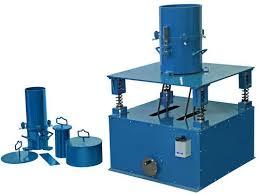
Tell us about your requirement

Price:
Quantity
Select Unit
- 50
- 100
- 200
- 250
- 500
- 1000+
Additional detail
Mobile number
Email

More Products in Soil Laboratory Instruments Category
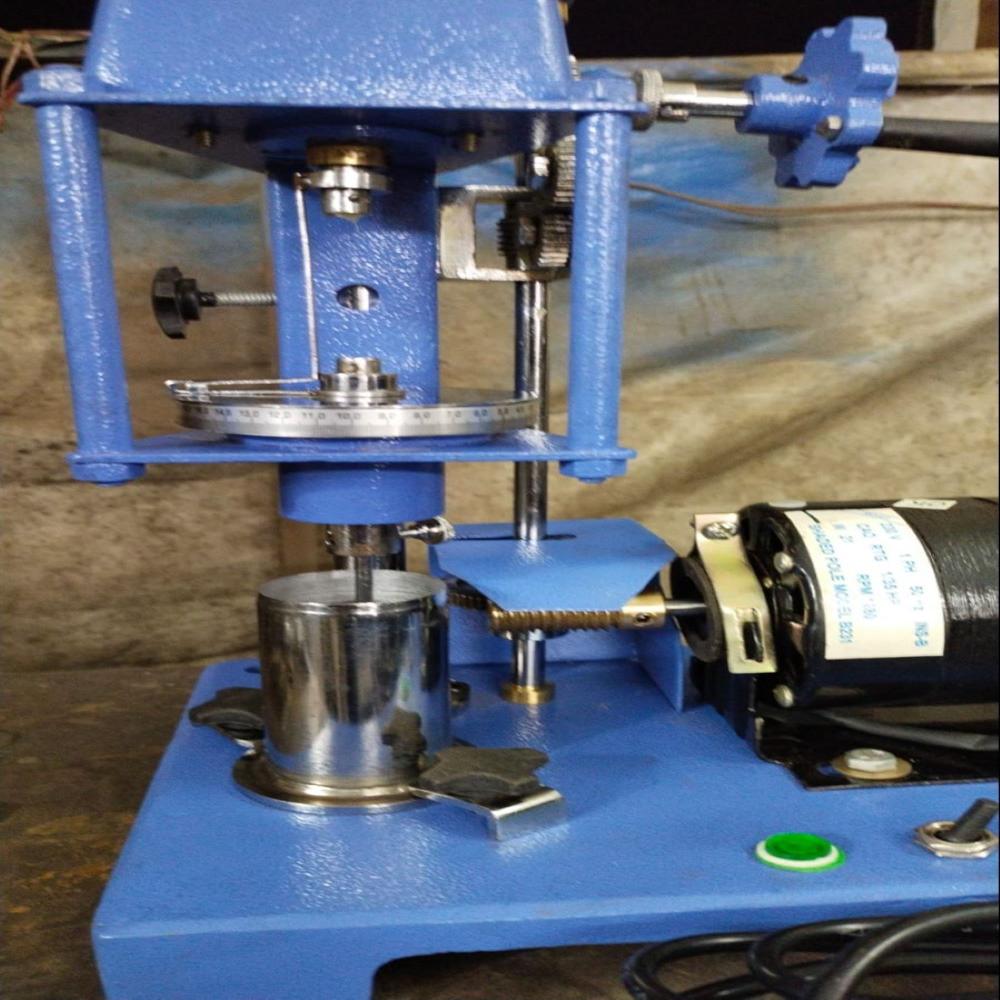
Vane Shear Test
Price 25000.0 INR / Piece
Minimum Order Quantity : 1 Piece
Product Type : Portable
Power Supply : Electric
Mounting Type : No
Control Mode : Manual
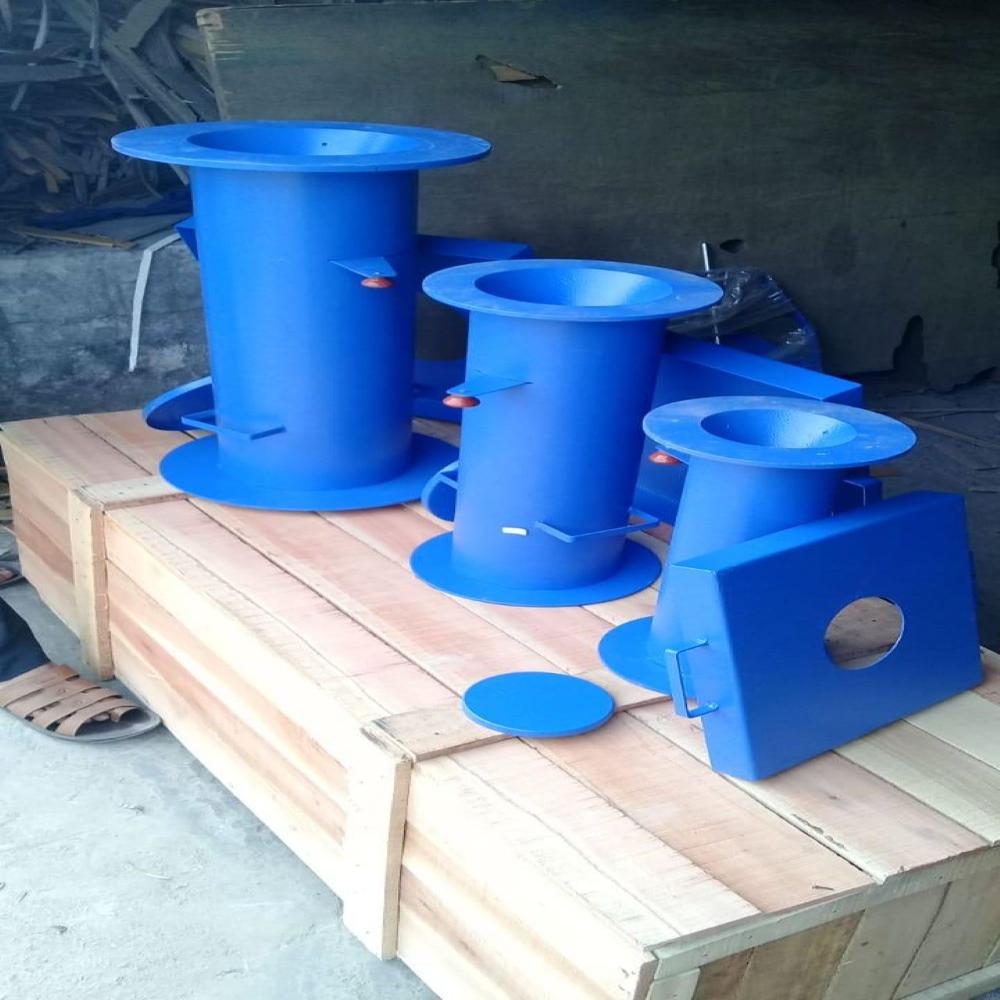
Sand Pouring Cylinder
Price 2100.0 INR / Piece
Minimum Order Quantity : 1 Piece
Product Type : Sand Pouring Cylinder
Power Supply : No
Mounting Type : No
Control Mode : Manual
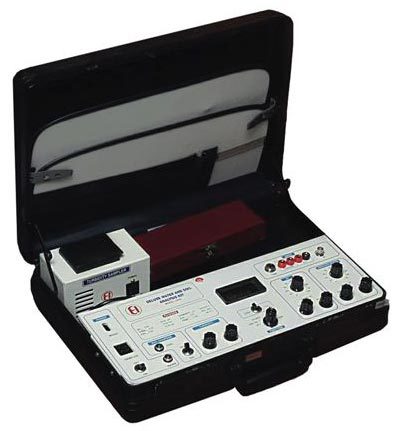
Water Testing Equipment
Price 45000.0 INR / Piece
Minimum Order Quantity : 1 Piece
Product Type : Water Testing Equipment
Power Supply : Electric
Mounting Type : Yes
Control Mode : Manual
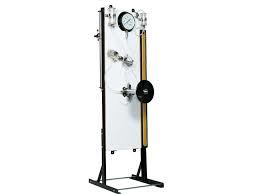
Pore Pressure Apparatus
Price 35000.0 INR / Piece
Minimum Order Quantity : 1 Piece
Product Type : Testing
Power Supply : Manual
Mounting Type : Floor Mounting
Control Mode : Manual

Contact Details
GST : 33AYHPP7230N1Z2
- New No:243/2, Old No:203/2, Periyar Paathai, Chennai - 600094, Tamil Nadu, India
- Phone :08071779477

 Send Inquiry
Developed and Managed by Infocom Network Private Limited.
