
Call: 08071779477
 Send Inquiry
 Send Inquiry
Vickers Hardness Tester
Price 165000 INR/ Piece
MOQ : 1 Piece
Vickers Hardness Tester Specification
- Load Power
- 10 gm to 1 kg (Selectable)
- Stroke
- 10 mm
- Control Mode
- Push-Button/Lever Operated
- Usage & Applications
- Measurement of hardness of metals, alloys, and ceramics using Vickers principle
- Gauge
- Included (Microscope)
- Accuracy
- Complies with IS 1754, BS 427 (Part I), ASTM E-384
- Dimension (L*W*H)
- 540 200 530 mm
- Display Type
- Analog Micrometer
- Capacity
- Up to 1000g load
- Product Type
- Manual
- Features
- High accuracy, robust construction, easy operation, built-in microscope, precise loading mechanism
- Frequency
- 50 Hz
- Power Supply
- Electric
- Color
- Off-White & Blue
- Weight
- 50 kg approx.
- Frame Type
- Portable Bench Model
- Power
- 220 V, 50 Hz
- Voltage
- 220V AC
- Phase
- Single Phase
- Automation Grade
- Manual
- Sample Stage Movement
- Manual cross travel stage
- Load Application
- Dead weight system
- Operating Temperature
- 10C to 40C
- Indenter Type
- Vickers diamond pyramid
- Specimen Height
- Up to 75 mm
- Finish
- Powder-coated
- Microscope Eyepiece
- 10X
- Test Method
- Vickers Hardness (Diamond Pyramid Indenter)
- Microscope Illumination
- Built-in LED/Lamp
- Measurement Range
- HV 5 HV 1000
- Magnification
- 70X (through microscope)
- Throat Depth
- 135 mm
- CCD Camera Port
- Optional attachment
Vickers Hardness Tester Trade Information
- Minimum Order Quantity
- 1 Piece
- FOB Port
- Chennai
- Payment Terms
- Cash Advance (CA), Cash in Advance (CID)
- Delivery Time
- 2 Week
- Main Domestic Market
- Dadra and Nagar Haveli, Chandigarh, Himachal Pradesh, Nagaland, Uttarakhand, Daman and Diu, Lakshadweep, South India, East India, Andaman and Nicobar Islands, Assam, Arunachal Pradesh, Bihar, Delhi, Gujarat, Goa, Jammu and Kashmir, Jharkhand, Karnataka, Madhya Pradesh, Maharashtra, Mizoram, Meghalaya, Manipur, Punjab, Pondicherry, Rajasthan, Sikkim, Tamil Nadu, Telangana, Tripura, West Bengal, Kerala, Haryana, Uttar Pradesh, North India, Andhra Pradesh, Central India, Odisha, West India, Chhattisgarh, All India
Vickers Hardness Tester About
Our enterprise has extended its production in the market by offering superior quality Vickers Hardness Tester.
Product details
| Scale Least Count | 0.001mm |
| Material | Metal |
| Frequency | 50 Hz |
| Voltage | 220V |
| Optical magnification | 70 X |
| Max Test Height | 200 mm |
| Dimensions | L 585 x W 290 x H 860 |
| Depth of throat | 0.001mm |
Exceptional Accuracy & Reliable Results
The Vickers Hardness Tester stands out for its meticulous dead weight loading system and finely engineered Vickers diamond pyramid indenter, ensuring reliable, repeatable, and accurate hardness readings. Its compliance with internationally recognized standards such as IS 1754 and ASTM E-384 guarantees trustworthy performance for research, quality control, and industrial analysis purposes.
Ergonomic Design & Flexible Operation
Featuring a compact portable bench frame and powder-coated finish, the hardness tester is built to endure routine lab and shop-floor conditions. The easily accessible manual controls, analog micrometer display, and manual specimen stage ensure straightforward operation. A built-in LED/lamp provides clear illumination, while an optional CCD camera port is available for digital documentation.
Versatile Applications Across Materials
Designed for versatility, the Vickers Hardness Tester accommodates specimens up to 75 mm in height and measures a broad range of hardness values (HV 5 HV 1000). This makes it ideal for testing a wide array of metals, alloys, and ceramics in educational, industrial, and research institutions throughout India.
FAQs of Vickers Hardness Tester:
Q: How is a hardness test conducted using the Vickers Hardness Tester?
A: A specimen is placed on the manual cross travel stage, and an appropriate load (from 10g to 1kg) is applied via the dead weight system using the push-button or lever. The Vickers diamond pyramid indenter then creates an impression, which is measured through the built-in microscope (70X magnification) to determine the hardness value.Q: What materials can be tested with this Vickers Hardness Tester?
A: This tester is suitable for assessing the hardness of metals, alloys, and ceramics. Its wide measurement range (HV 5 HV 1000) and selectable load capacity make it ideal for diverse material types and hardness levels.Q: When should the Vickers Hardness Tester be used over other hardness methods?
A: The Vickers method is beneficial when precise hardness measurement and a small indentation are required, particularly for thin, brittle, or very hard materials where other methods like Brinell or Rockwell may not be appropriate.Q: Where can the Vickers Hardness Tester be installed and operated?
A: It is designed as a portable bench model suited for laboratories, research institutions, production quality control labs, and educational settings across India. Its compact size and robust construction allow flexible placement on various work surfaces.Q: What is the process for observing and recording the indentation measurement?
A: After indentation, users view the impression through the built-in microscope (10X eyepiece, 70X total magnification). The analog micrometer gauge facilitates precise measurement of the indentations diagonals, which are then used to calculate the Vickers Hardness value.Q: How does the built-in microscope and illumination benefit the testing procedure?
A: The integrated microscope, combined with bright LED/lamp illumination, ensures clear and accurate observation of the indentation. This supports consistent, error-free measurement and enhances usability during routine and detailed analyses.Q: What are the main advantages of using this Vickers Hardness Tester?
A: Key benefits include high accuracy, robust construction, ease of operation, precise loading mechanisms, compliance with multiple standards, and the option for digital imaging via a CCD camera port. Its manual controls and analog display offer control and simplicity for operators.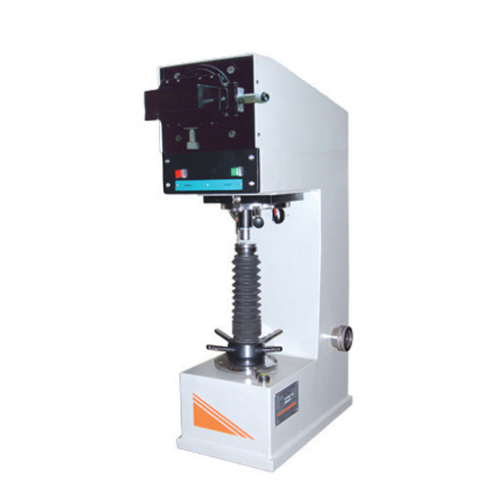
Tell us about your requirement

Price:
Quantity
Select Unit
- 50
- 100
- 200
- 250
- 500
- 1000+
Additional detail
Mobile number
Email

More Products in Compression Testing Machines Category
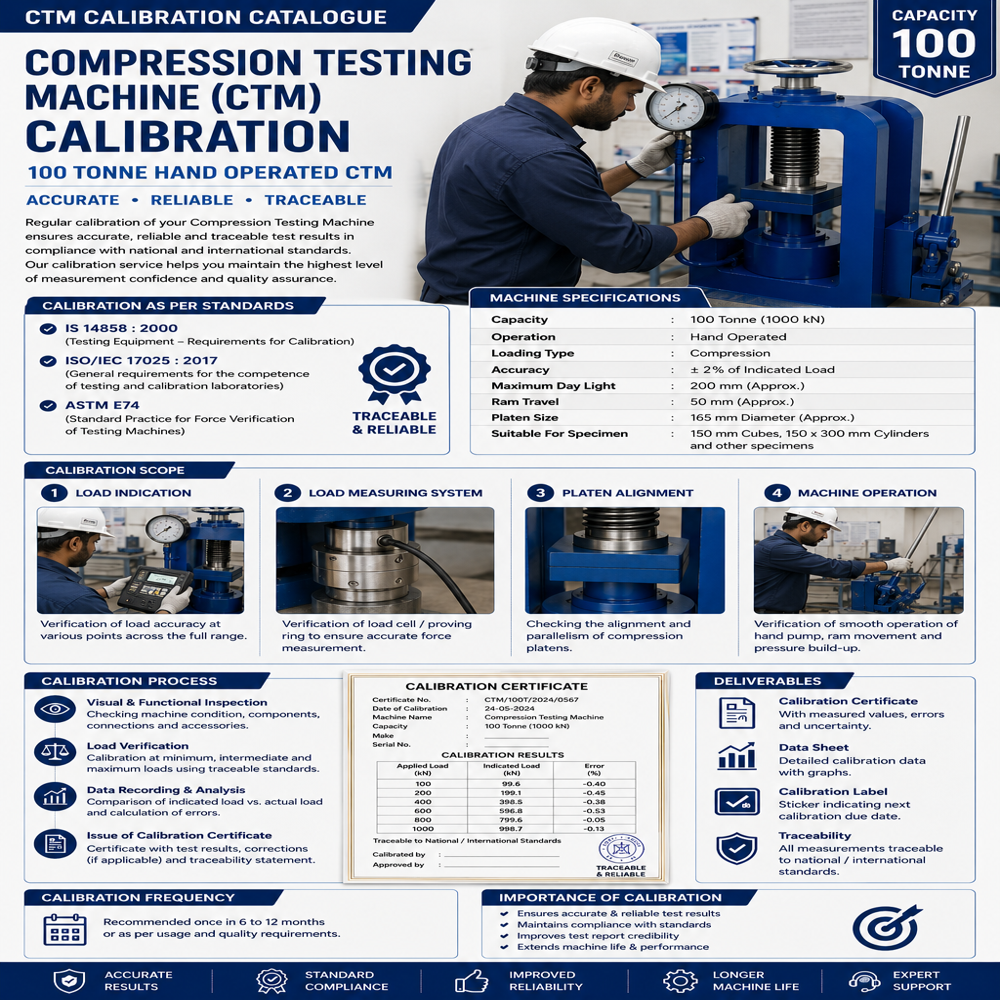
CTM Calibration
Price 5000 INR / Piece
Minimum Order Quantity : 1 Piece
Product Type : Manual & Electrical
Usage & Applications : Calibration of Load Cells, Pressure Gauges, Force Transducers
Voltage : 220 V kilovolt (kV)
Weight : Approx 12 kg Liter (Ltr)
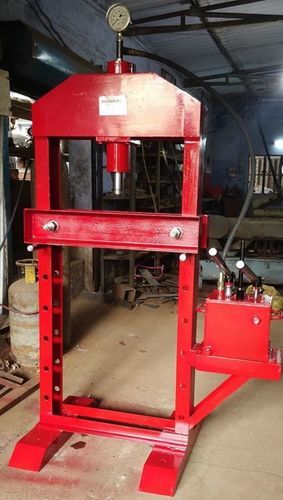
Hydraulic Press Hand Operated
Price 60000 INR / Piece
Minimum Order Quantity : 1 Piece
Product Type : Hydraulic Press Hand Operated
Usage & Applications : Bending, Pressing, Straightening, Assembling, Dismantling of various machine parts
Voltage : Not Applicable (Manual)
Weight : Approx. 80 220 kg (varies by model)
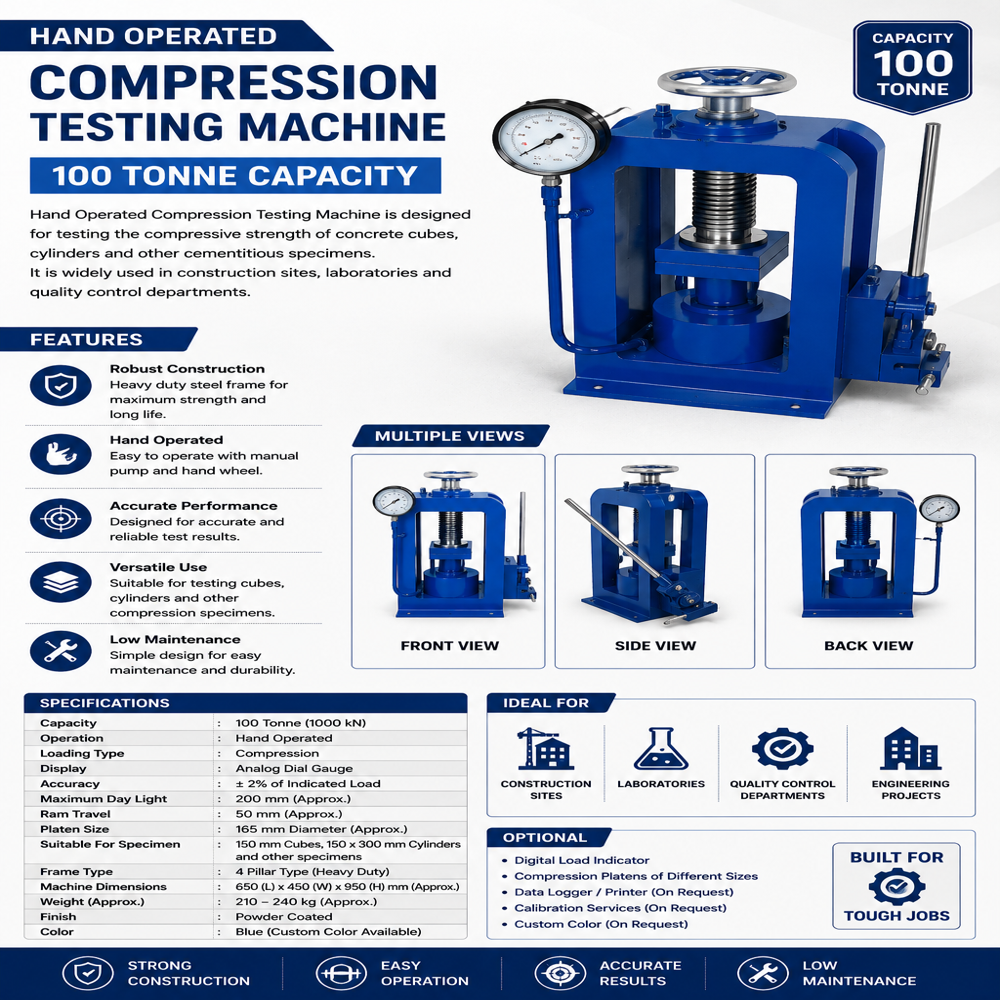
CTM Hand Operated
Price 40000.0 INR / Piece
Minimum Order Quantity : 1 Piece
Product Type : Manual
Usage & Applications : Sheet Metal Punching, Light Engineering Works
Weight : Approx. 1015 kg Liter (Ltr)
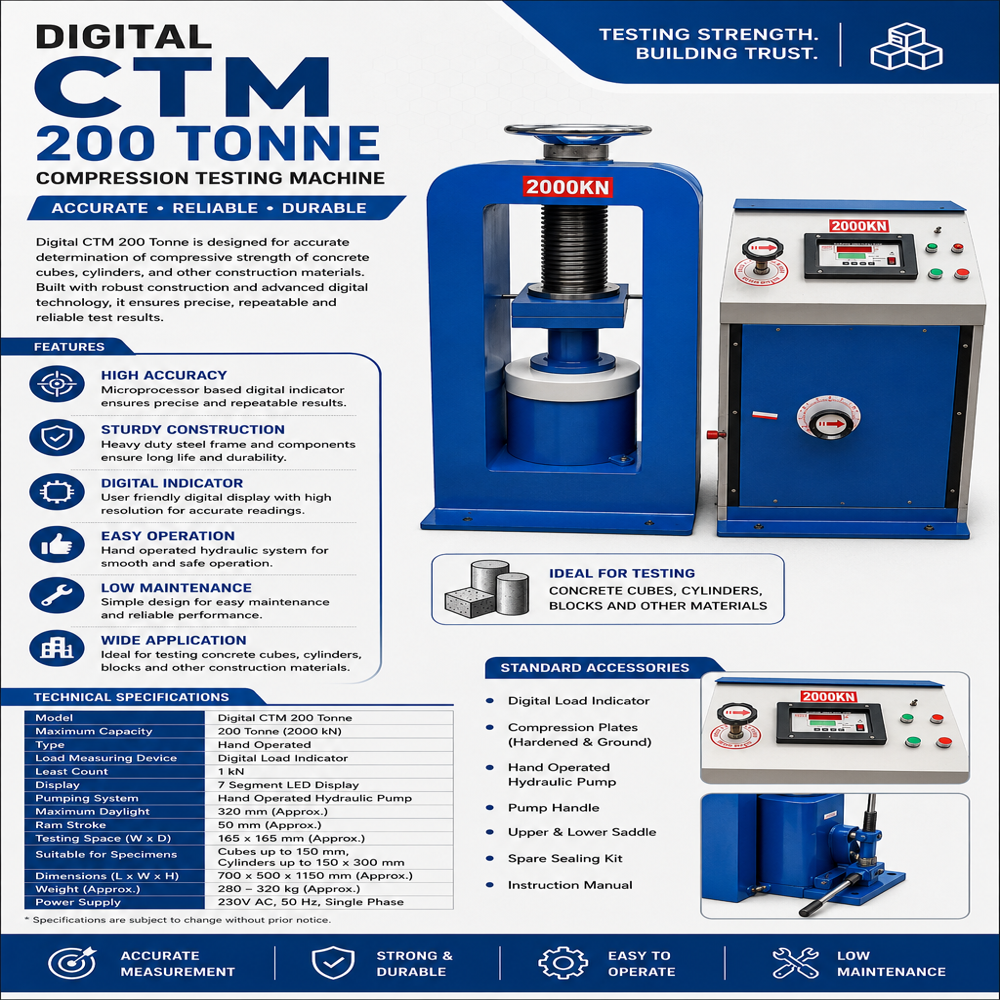
Digital Compression Testing Machine
Price 115000.0 INR / Piece
Minimum Order Quantity : 1 Piece
Product Type : Digital
Usage & Applications : Cube Test
Voltage : 230 kilovolt (kV)
Weight : 200 Kilograms (kg)

Contact Details
GST : 33AYHPP7230N1Z2
- New No:243/2, Old No:203/2, Periyar Paathai, Chennai - 600094, Tamil Nadu, India
- Phone :08071779477

 Send Inquiry
Developed and Managed by Infocom Network Private Limited.
