
Call: 08071779477
 Send Inquiry
 Send Inquiry
Triaxial Shear Test Apparatus
Price 95000.0 INR/ Piece
MOQ : 1 Piece
Triaxial Shear Test Apparatus Specification
- Color
- Blue
- Display Type
- Manual
- Power Supply
- Electric
- Usage
- Laboratory
- Product Type
- Portable
- Application
- Soil Test
- Machine Weight
- 100 Kilograms (kg)
- Control Mode
- Motorised
Triaxial Shear Test Apparatus Trade Information
- Minimum Order Quantity
- 1 Piece
- FOB Port
- Chennai
- Payment Terms
- Cash Advance (CA), Cash in Advance (CID)
- Supply Ability
- 10 Pieces Per Week
- Delivery Time
- 1 Week
- Main Export Market(s)
- Asia
- Main Domestic Market
- Haryana, Jammu and Kashmir, Maharashtra, Nagaland, Sikkim, Tripura, Pondicherry, Uttar Pradesh, All India, South India, Central India, West India, North India, Andhra Pradesh, Bihar, Chandigarh, Daman and Diu, Goa, Jharkhand, Madhya Pradesh, Uttarakhand, Dadra and Nagar Haveli, Arunachal Pradesh, Chhattisgarh, Himachal Pradesh, Telangana, Tamil Nadu, East India, Gujarat, Karnataka, Kerala, Lakshadweep, Mizoram, Meghalaya, Manipur, Odisha, Andaman and Nicobar Islands, West Bengal, Punjab, Assam, Delhi, Rajasthan
Triaxial Shear Test Apparatus About
Triaxial Shear Test Apparatus
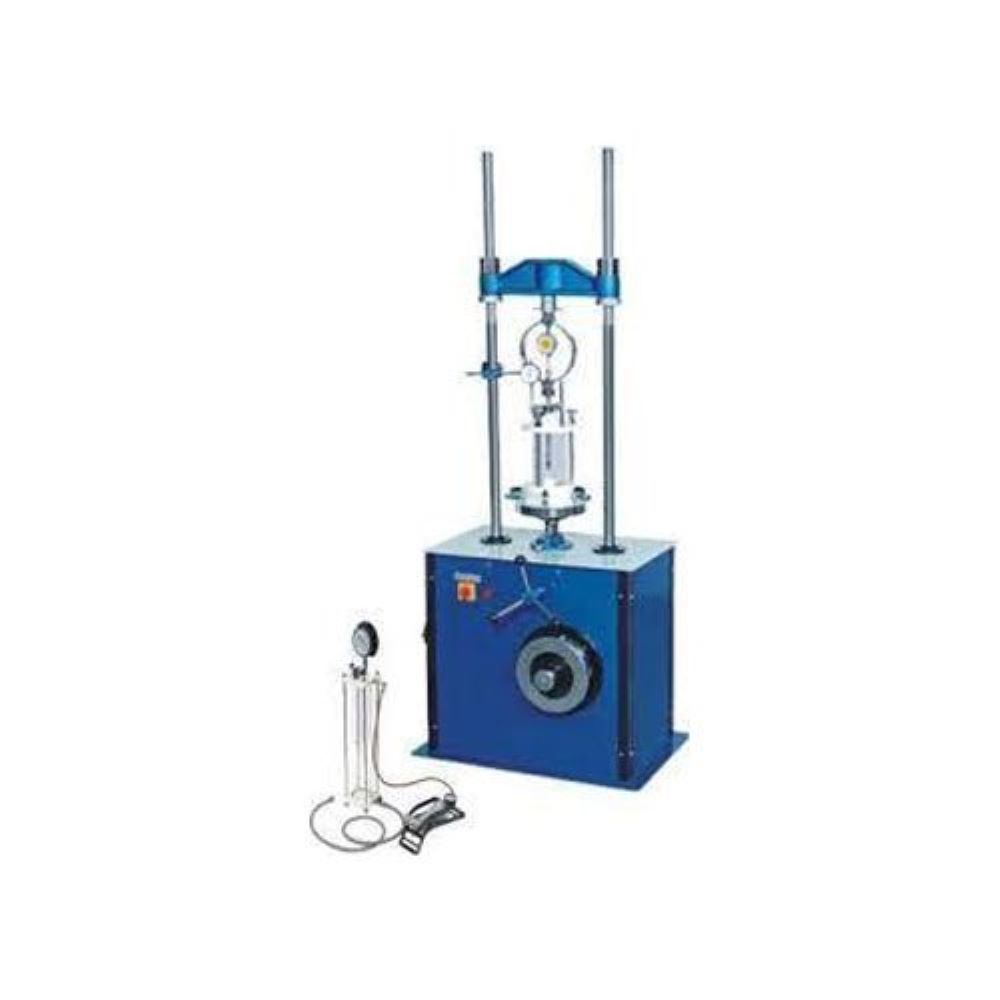
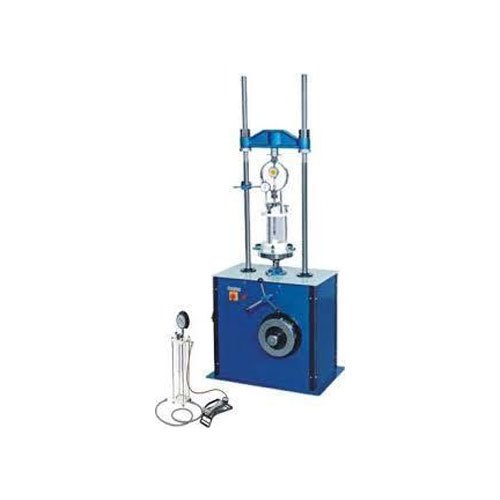
For determining the triaxial shear strength of soil specimens of 28mm diameter. The length to diameter ratio of sample is 1:2 Specification: One loading unit, for single unit, for single cell mounting, capacity 5 tonnes. Supplied with motorised load frame. The loading unit is supplied with one dial gauge bracket. One Triaxial Cell for 38 mm dia specimen, stationary bushing. Lateral Pressure assembly. 0-10kg/cm sq. complete with foot pump and rubber hose. One dial gauge 0.01 mm X 25 mm for strain measurement. One high sensitive Proving Ring, capacity 200/250 kg with Calibration Report and carrying case. Accessories: High sensitivity Proving Ring, capacity 1000 kg. complete with calibration report and carrying case
Triaxial Shear Test Apparatus manufacturer in Chennai, Triaxial Shear Test Apparatus Dealer in Chennai, Triaxial Shear Test Apparatus Supplier in Chennai
Advanced Soil Testing Solution
Designed for in-depth soil analysis, this triaxial shear test apparatus offers precise control through a motorised system. It is suitable for diverse laboratory environments, ensuring reliable results and enhancing quality control in soil testing procedures.
Robust and User-Friendly Design
Featuring a sturdy build weighing 100 kilograms and coated in a vibrant blue, this apparatus combines durability with ease of handling. Its manual display ensures straightforward monitoring during each testing phase.
Versatile for Indian Market Needs
This apparatus caters to a wide spectrum of professionals-including dealers, exporters, and retailers-offering a versatile solution for both small-scale labs and larger QC facilities across India.
FAQ's of Triaxial Shear Test Apparatus:
Q: How is the triaxial shear test apparatus operated in the laboratory?
A: The apparatus is equipped with a motorised control mode and runs on electric power, making it simple to operate. Users manually set parameters and monitor progress via the manual display for accurate soil strength testing.Q: What is the primary application of this machine in a QC lab?
A: Its main function is to determine the shear strength and related properties of soil samples, ensuring that the ground conditions meet required safety and design specifications for geotechnical projects.Q: When should the triaxial shear test be conducted during construction projects?
A: The test is typically performed during the geotechnical investigation phase, before construction begins, or whenever verifying soil stability and quality is critical for design and safety assurance.Q: Where can this apparatus be used effectively?
A: It is best suited for laboratory use in quality control labs, research institutions, and soil investigation facilities-any environment where precise soil analysis is required.Q: What is the process for conducting a triaxial shear test using this machine?
A: A cylindrical soil sample is placed in a chamber, subjected to controlled pressure and torque via the motorised system, and then tested for shear strength by gradually increasing the axial load until failure occurs. Data is recorded manually from the display.Q: How does using this apparatus benefit soil testing professionals?
A: Professionals gain the advantage of consistent and accurate test results, enhanced repeatability due to motorisation, and reliable performance, which helps them make informed decisions for construction and engineering applications.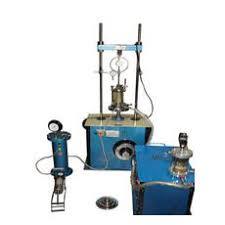
Tell us about your requirement

Price:
Quantity
Select Unit
- 50
- 100
- 200
- 250
- 500
- 1000+
Additional detail
Mobile number
Email

More Products in Soil Laboratory Instruments Category
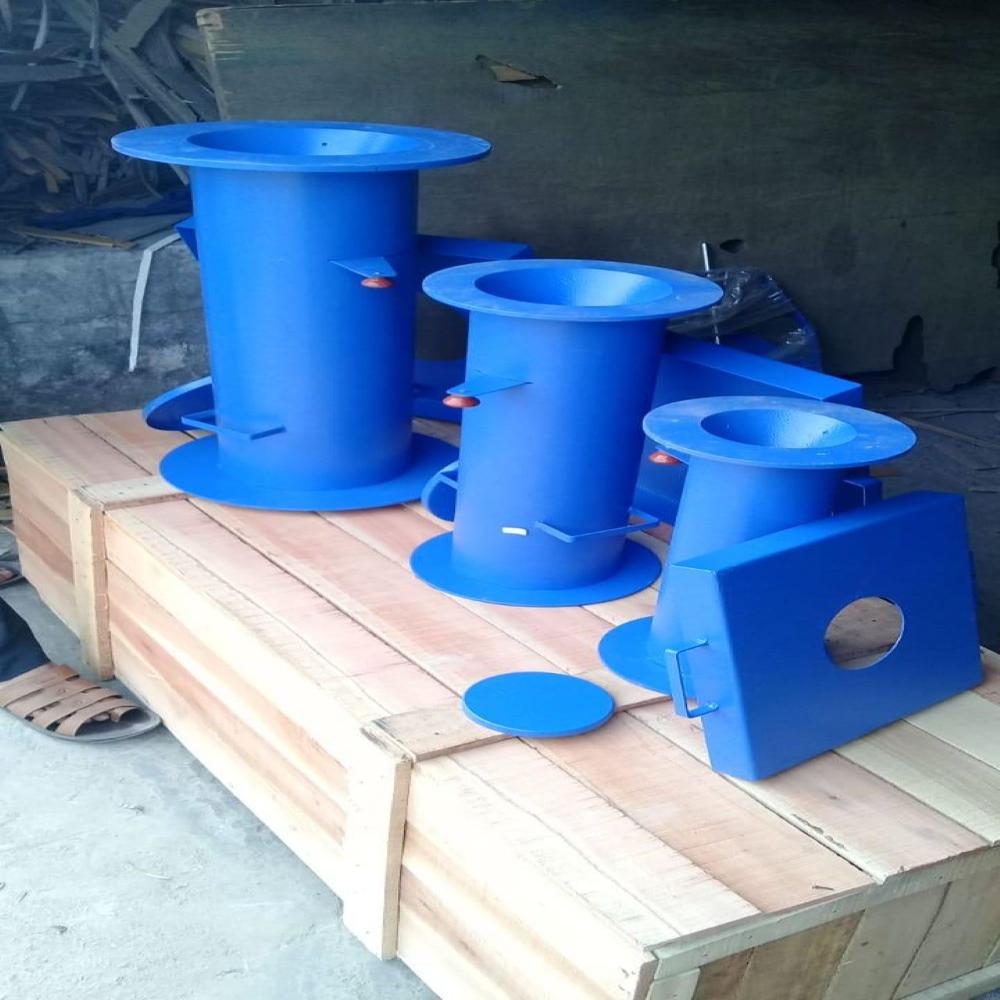
Sand Pouring Cylinder
Price 2100.0 INR / Piece
Minimum Order Quantity : 1 Piece
Power Supply : No
Usage : Laboratory
Color : blue
Product Type : Sand Pouring Cylinder
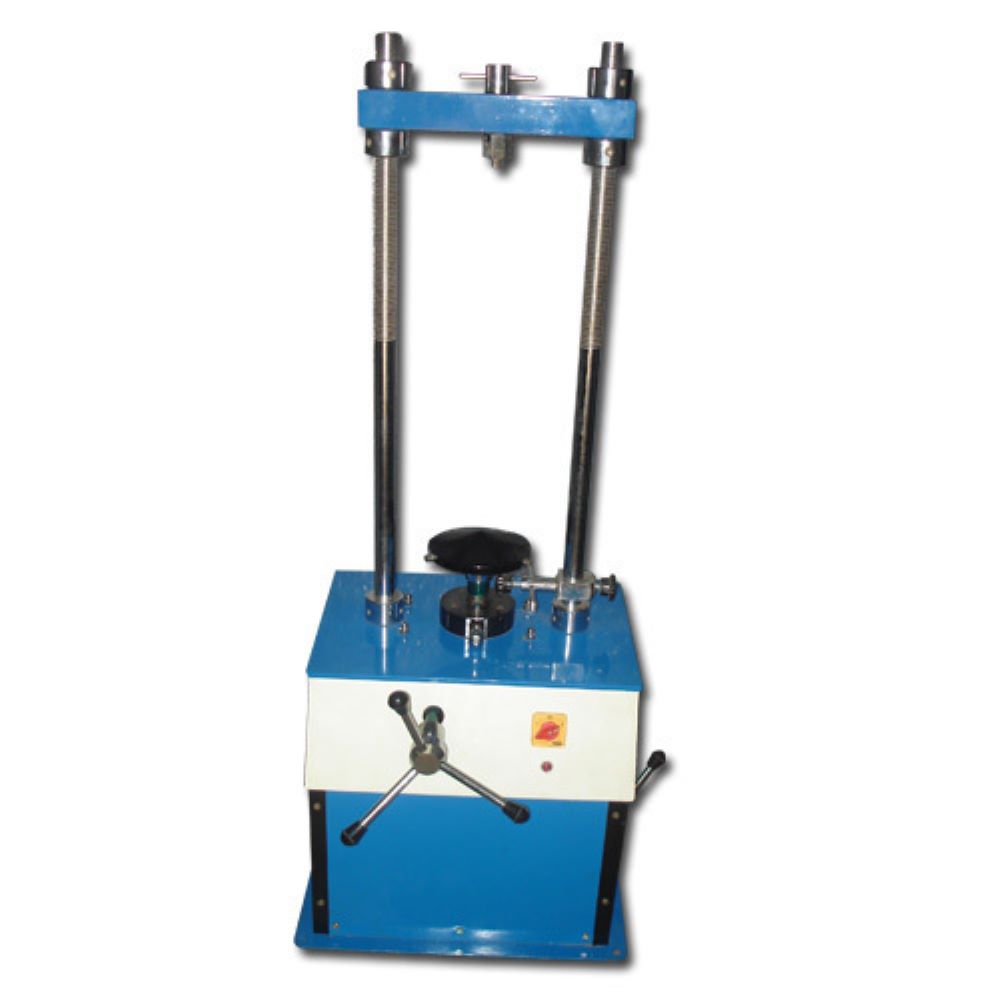
Unconfined Compression Tester Proving Ring Type (Motorised)
Price 40000.0 INR / Piece
Minimum Order Quantity : 1 Piece
Power Supply : No
Usage : Laboratory
Color : Blue
Product Type : Compression Tester Proving Ring Type (Motorised)
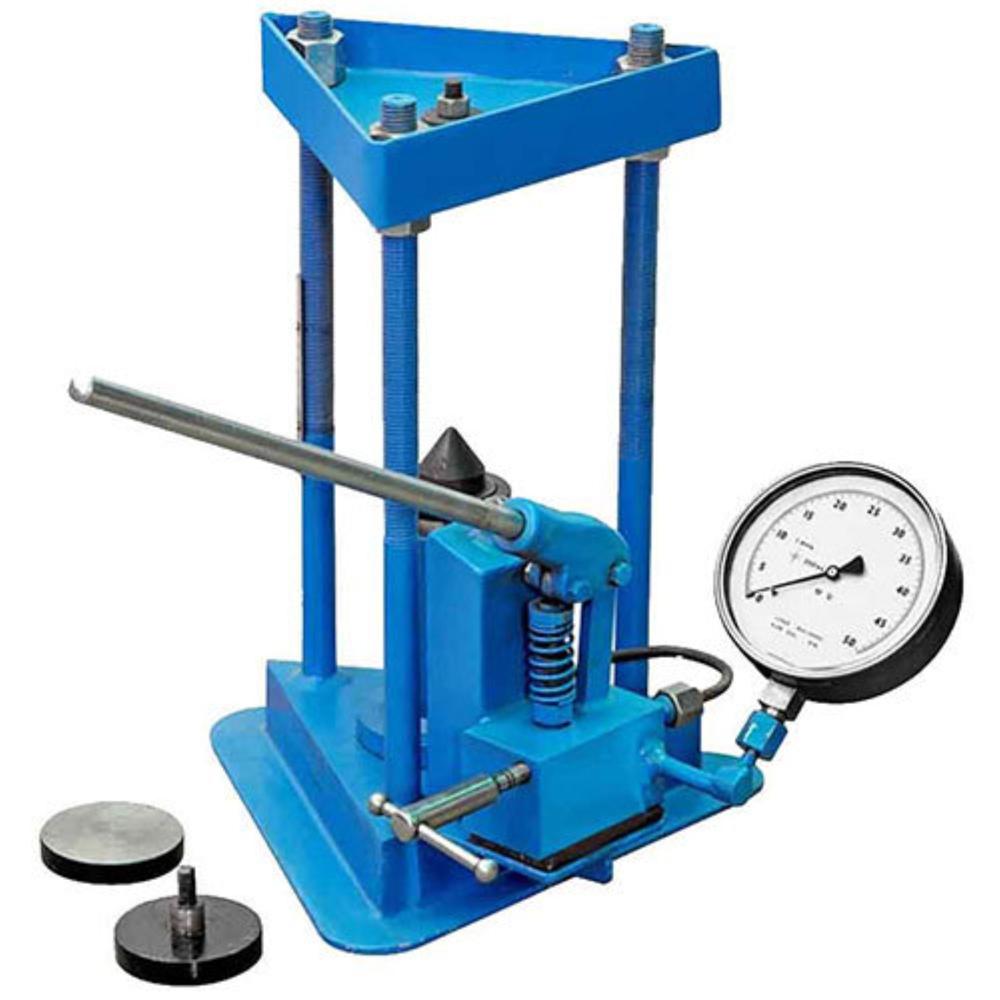
Point Load Index Tester
Price 60000.0 INR / Piece
Minimum Order Quantity : 1 Piece
Power Supply : Electric
Usage : Laboratory
Color : Blue
Product Type : Portable
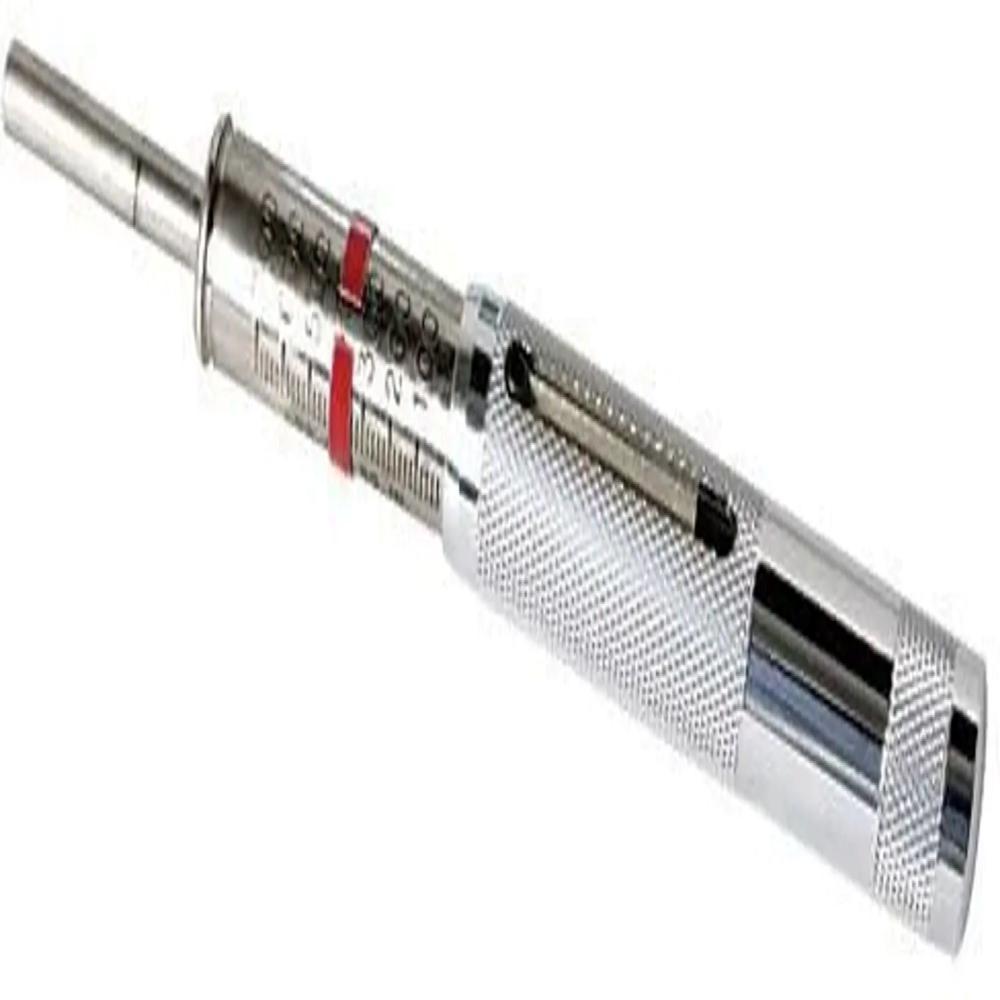
Pocket Concrete Penetrometer
Price 3000.0 INR / Piece
Minimum Order Quantity : 1 Piece
Power Supply : No
Usage : Soil Testing Lab
Color : Silver
Product Type : Testing

Contact Details
GST : 33AYHPP7230N1Z2
- New No:243/2, Old No:203/2, Periyar Paathai, Chennai - 600094, Tamil Nadu, India
- Phone :08071779477

 Send Inquiry
Developed and Managed by Infocom Network Private Limited.
