
Call: 08071930645
 Send Inquiry
 Send Inquiry
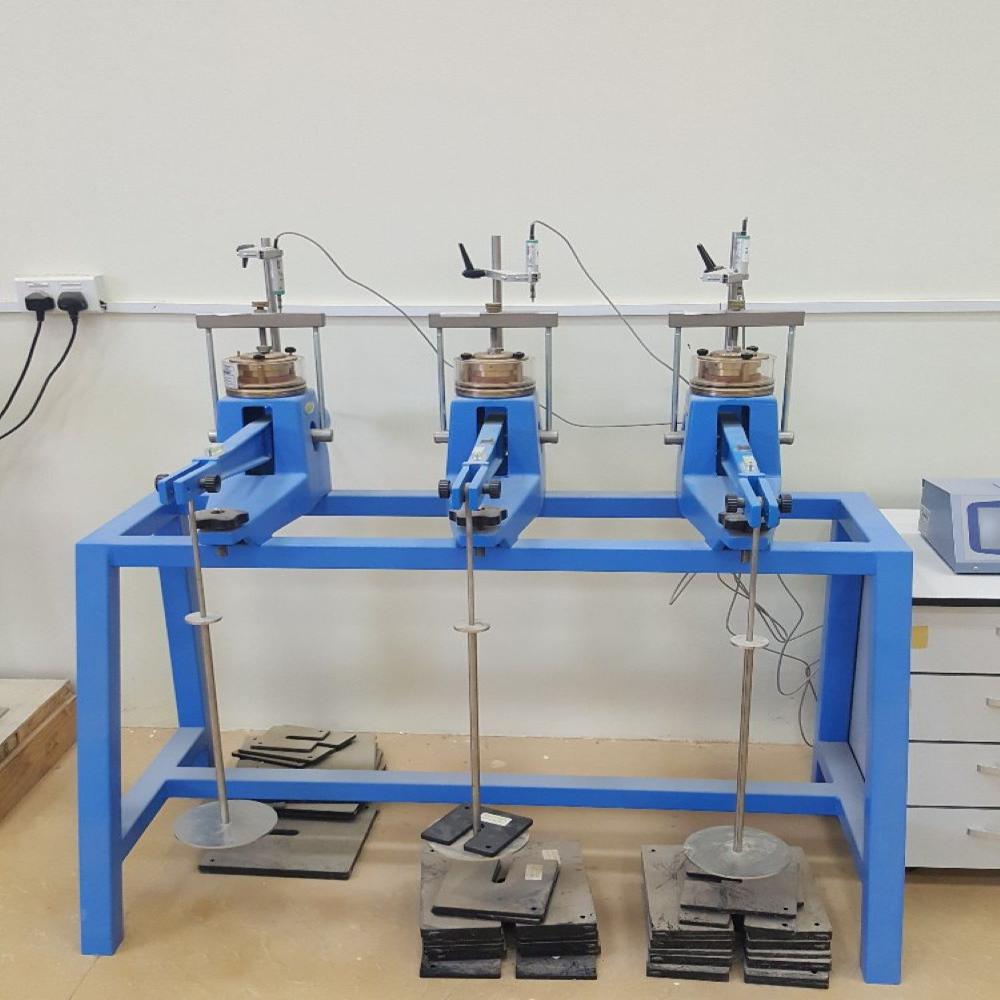
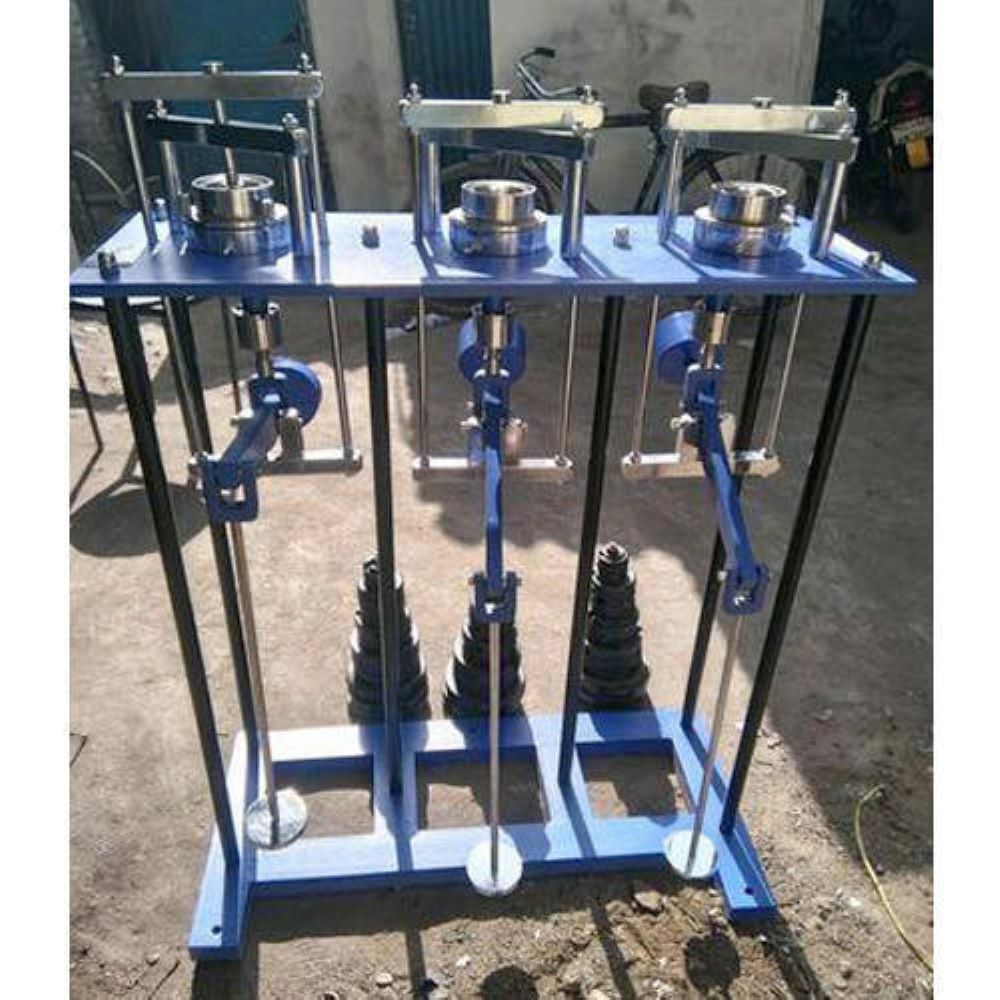
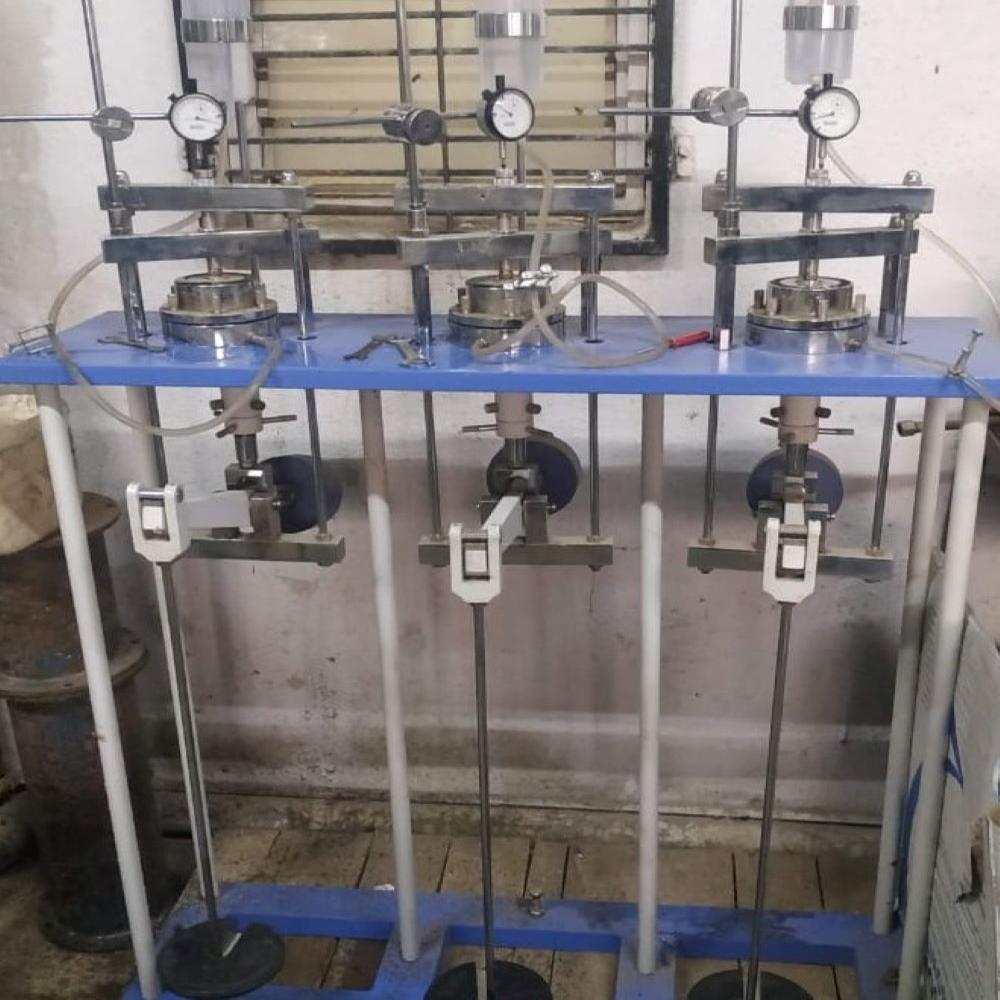
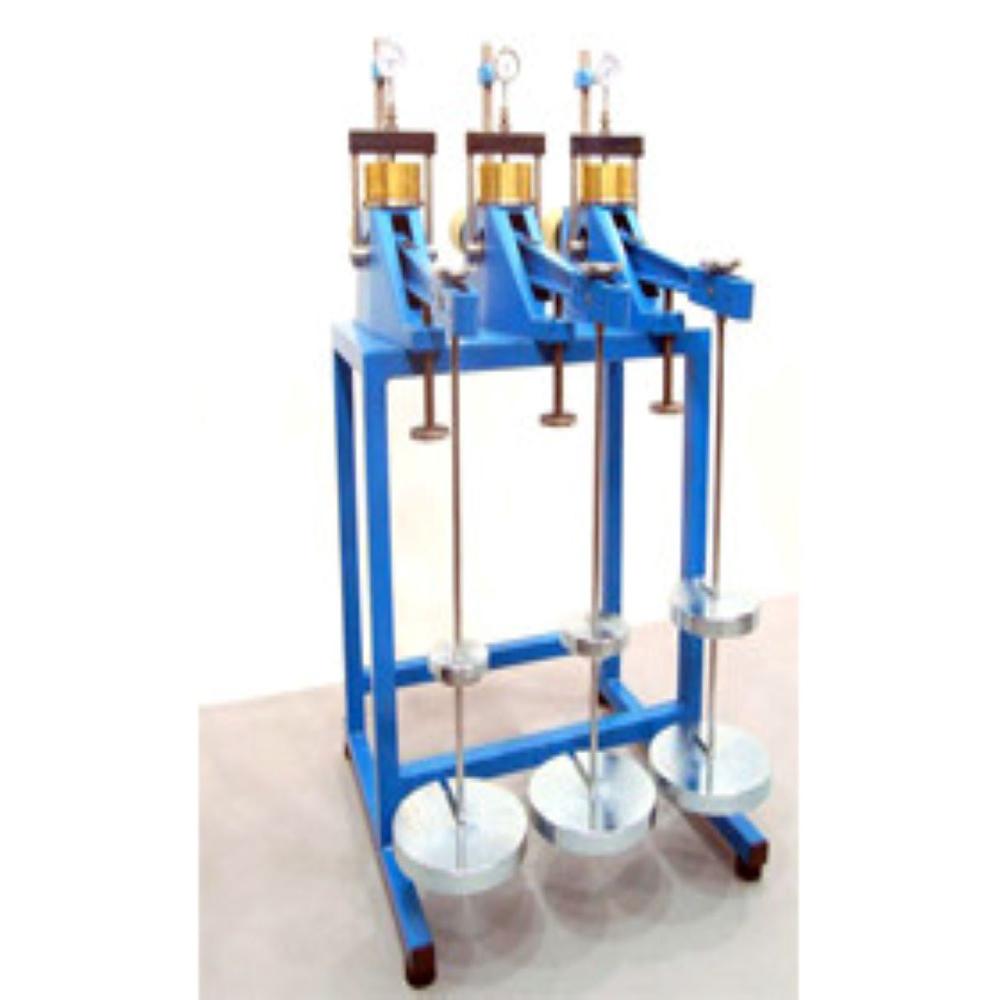
Three Gang Consolidation Test Apparatus
Price 85000.0 INR/ Piece
MOQ : 1 Piece
Three Gang Consolidation Test Apparatus Specification
- Product Type
- Consolidation Test Apparatus
- Operate Method
- Motorised
- Color
- Blue
- Power Supply
- Electric
- Usage
- Laboratory
- Application
- Industrial
- Machine Weight
- 50 Kilograms (kg)
- Control Mode
- Motorised
Three Gang Consolidation Test Apparatus Trade Information
- Minimum Order Quantity
- 1 Piece
- FOB Port
- Chennai
- Supply Ability
- 10 Pieces Per Week
- Delivery Time
- 1 Week
- Main Domestic Market
- Central India, Karnataka, Kerala, All India, South India, West India, North India, East India, Gujarat, Goa, Jharkhand, Odisha, Punjab, Assam, Arunachal Pradesh, Chhattisgarh, Haryana, Himachal Pradesh, Jammu and Kashmir, Madhya Pradesh, Maharashtra, Telangana, Tripura, Meghalaya, Manipur, Andhra Pradesh, Bihar, Chandigarh, Daman and Diu, Pondicherry, Uttar Pradesh, Uttarakhand, Lakshadweep, Mizoram, Delhi, Dadra and Nagar Haveli, Andaman and Nicobar Islands, Nagaland, Rajasthan, Sikkim, Tamil Nadu, West Bengal
About Three Gang Consolidation Test Apparatus
Consolidation Apparatus
Consist of 3 consolidation test assemblies mounted on a single frame. Complete wigh 3 sets of consolidometer cell assembly for 60 mm dia samples and three sets of weights each giving 10 kg/sq.cm. on each sample.
Consolidation Apparatus Dealer in Chennai, Consolidation Apparatus Retailer in Chennai, Consolidation Apparatus Supplier in Chennai
Efficient Multi-Sample Testing
With the capacity to test three soil samples at once, this apparatus saves valuable lab time and increases sample throughput. Its motorised function allows for accurate and consistent pressure application, making it preferred in high-demand settings such as quality control labs and research institutions.
User-Friendly Motorised Control
Powered by electricity, the apparatus features an easy-to-use motorised control system, reducing manual intervention and enhancing safety and precision. The robust design and intuitive controls make it accessible for technicians in labs, industrial sites, or academic settings.
FAQ's of Three Gang Consolidation Test Apparatus:
Q: How does the Three Gang Consolidation Test Apparatus operate?
A: The apparatus operates using a motorised system, which applies controlled pressure to three soil samples simultaneously. This ensures consistent and reliable results during consolidation testing, which is crucial for soil mechanics studies and construction quality assurance.Q: What are the main applications of this consolidation test machine?
A: Primarily, it is used in industrial and laboratory environments, especially in QC labs, for determining the settlement properties of soil samples. It is extensively utilized by professionals such as dealers, manufacturers, exporters, and researchers across the soil testing industry in India.Q: When should a laboratory choose a Three Gang over a single gang apparatus?
A: A lab should opt for the Three Gang apparatus when there is a need to test multiple samples simultaneously, thereby increasing efficiency and reducing turnaround time. It is particularly beneficial for high-volume labs or during comprehensive soil analysis projects.Q: Where can this apparatus typically be installed or used?
A: This equipment is best suited for laboratory and QC lab settings, research institutes, and industrial soil testing facilities. Due to its weight, the apparatus requires a stable, level workbench with access to a standard electric power supply.Q: What process does the apparatus facilitate in soil testing?
A: It automates the consolidation testing of soil, applying gradual, controlled pressure to samples while tracking their deformation and settlement characteristics. The motorised system ensures precision and repeatability throughout the testing process.Q: How does the apparatus benefit service providers and manufacturers?
A: For service providers and manufacturers, the apparatus increases productivity by enabling simultaneous multi-sample testing, reducing manual workload, and minimizing human error. This results in faster, more reliable data for decision-making and compliance reporting.Q: What is the advantage of its motorised, electric-powered design?
A: The motorised, electric-powered operation ensures that pressure is applied uniformly and steadily, eliminating variations caused by manual handling. This enhances accuracy and repeatability in soil consolidation test results, making the apparatus a dependable choice for rigorous laboratory use.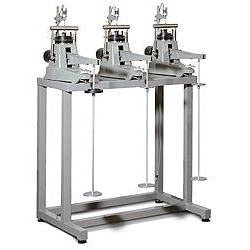
Tell us about your requirement

Price:
Quantity
Select Unit
- 50
- 100
- 200
- 250
- 500
- 1000+
Additional detail
Mobile number
Email

More Products in Soil Laboratory Instruments Category
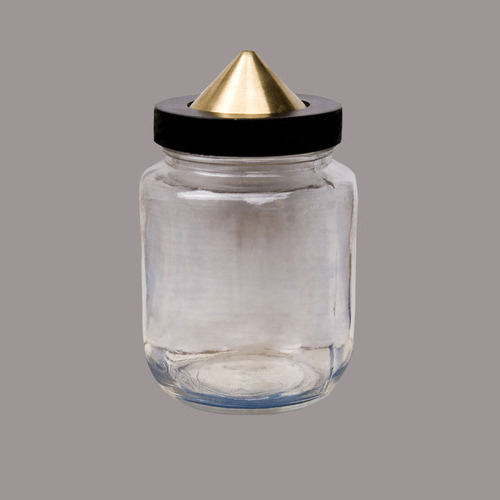
Pycnometer Bottle
Price 650.0 INR / Piece
Minimum Order Quantity : 1 Piece
Usage : Specific Gravity Test
Power Supply : Manual
Product Type : Hand Held
Color : Transparent
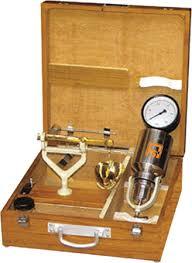
Speedy Rapid Moisture Meter
Price 4000.0 INR / Piece
Minimum Order Quantity : 1 Piece
Usage : Moisture Test
Power Supply : Manual
Product Type : Portable
Color : Silver
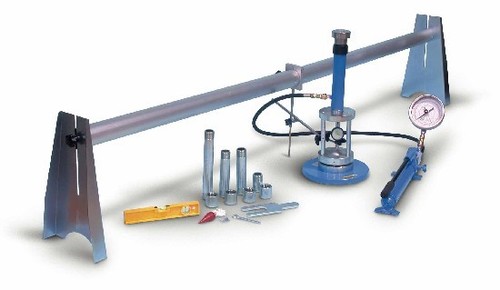
Plate Bearing Test Apparatus
Price 130000.0 INR / Piece
Minimum Order Quantity : 1 Piece
Usage : Laboratory
Power Supply : No
Product Type : Plate Bearing Test Apparatus
Color : Blue
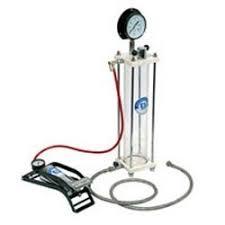
Lateral Pressure Assembly Apparatus
Price 35000.0 INR / Piece
Minimum Order Quantity : 1 Piece
Usage : Soil Test
Power Supply : No
Product Type : Portable
Color : Blue

Contact Details
GST : 33AYHPP7230N1Z2
- New No:243/2, Old No:203/2, Periyar Paathai, Chennai - 600094, Tamil Nadu, India
- Phone :08071930645
 Send Inquiry
Developed and Managed by Infocom Network Private Limited.
